|
Getting your Trinity Audio player ready...
|
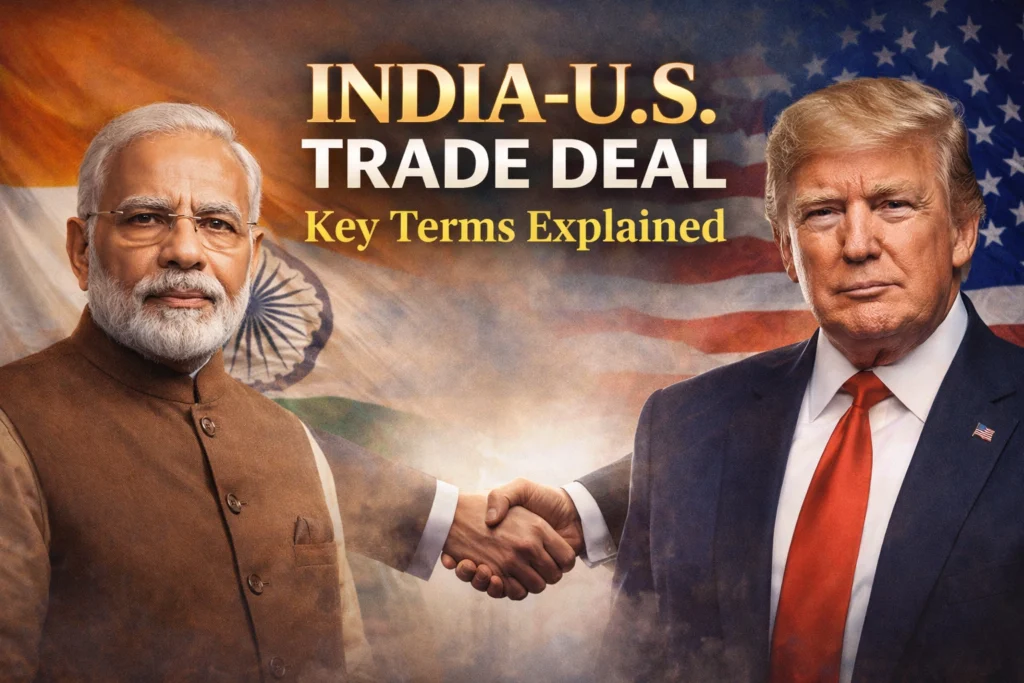
The India–United States trade deal has emerged as one of the most talked-about global economic developments in recent times. The agreement drew global attention after former U.S. President Donald Trump described it as “historic” and claimed that India had agreed to remove tariffs and non-tariff barriers for American goods, even suggesting that tariffs would be reduced to zero. While the phrase captured headlines, it also sparked confusion and debate.
To understand the real impact of this trade deal, it is essential to look beyond the rhetoric and examine the actual terms, commitments, and implications for both countries. This article explains what the India–US trade deal truly includes, what the zero tariff claim really means, and how it may affect businesses, consumers, and geopolitical relations.
Background of the India–US Trade Relationship
India and the United States share a long-standing trade relationship, with bilateral trade exceeding hundreds of billions of dollars annually. Over the past decade, trade tensions have periodically emerged due to disagreements over tariffs, market access, digital trade policies, and agricultural imports.
The U.S. has often criticized India for maintaining high import duties on foreign goods, while India has raised concerns over American protectionist measures and punitive tariffs imposed on Indian exports. Against this backdrop, the trade deal is positioned as a reset aimed at easing friction and strengthening economic cooperation.
Understanding the “Zero Tariff” Claim
One of the most controversial aspects of the announcement was Donald Trump’s claim that India had agreed to bring tariffs and non-tariff barriers down to zero for American products. This statement created alarm in some quarters and excitement in others.
In reality, the zero tariff claim does not mean that India will immediately eliminate all customs duties on U.S. goods. Instead, it reflects an intent to progressively reduce tariffs on selected products over time. The language used was political and aspirational rather than literal.
The agreement focuses on phased tariff reductions, sector-specific concessions, and negotiated exemptions rather than a blanket removal of all import duties.
Reduction in U.S. Tariffs on Indian Goods
A significant element of the trade deal is the reduction of U.S. tariffs on Indian exports. The United States agreed to roll back or lower tariffs that had been imposed on Indian products during earlier trade disputes.
These reductions improve India’s competitiveness in the American market and benefit industries such as textiles, apparel, engineering goods, auto components, leather products, and gems and jewellery. Lower tariffs allow Indian exporters to price their goods more competitively, potentially increasing export volumes and employment.
For India, this is one of the most tangible gains from the deal.
India’s Commitments on American Imports
On the Indian side, the deal includes commitments to reduce tariffs and non-tariff barriers on specific U.S. goods. These include certain agricultural products, industrial inputs, and energy-related commodities.
Rather than a sudden policy shift, India has agreed to evaluate tariff reductions gradually, ensuring domestic producers are not destabilized. The focus is on select categories where India can allow greater access without harming local industries.
This approach reflects India’s broader trade philosophy, which balances openness with protection for sensitive sectors such as agriculture and small-scale manufacturing.
Non-Tariff Barriers and Regulatory Changes
Beyond tariffs, non-tariff barriers are a major concern in international trade. These include licensing rules, customs procedures, technical standards, and compliance requirements that can restrict imports even when tariffs are low.
As part of the trade deal, India has agreed to work on reducing regulatory hurdles that affect U.S. exporters. This may involve simplifying customs processes, improving transparency, and aligning certain standards with international norms.
Reducing non-tariff barriers can be just as impactful as tariff cuts, as it lowers costs and delays for exporters.
Large-Scale Purchase Commitments
One of the most significant features of the deal is India’s commitment to purchase large volumes of U.S. goods over the coming years. These purchases span multiple sectors, including energy, agriculture, defence-related components, technology, and raw materials.
Such commitments help address the U.S. concern over its trade deficit with India and signal deeper economic integration. For India, these purchases support energy security, diversify supply chains, and strengthen strategic ties.
However, purchase commitments are typically subject to market conditions and domestic demand, meaning they are implemented progressively rather than immediately.
Digital Trade and Technology Cooperation
The trade deal also touches upon digital trade, an increasingly important area of global commerce. Both countries have expressed interest in removing duties on electronic transmissions and creating predictable frameworks for digital services.
While detailed rules are still under discussion, this signals a move toward cooperation in emerging sectors such as cloud computing, data services, and digital platforms. For India’s growing technology sector, clearer digital trade rules could support global expansion and investment.
Geopolitical Context and Energy Trade
The trade agreement cannot be separated from its geopolitical context. Energy imports, particularly oil and gas, play a key role in the evolving relationship. The United States has encouraged India to increase purchases of American energy products as part of broader strategic alignment.
While India continues to prioritize energy affordability and supply security, diversifying sources aligns with long-term economic and geopolitical interests. The trade deal reflects this balancing act rather than a rigid commitment.
Domestic Concerns and Political Debate in India
Within India, the trade deal has triggered political debate and scrutiny. Critics argue that vague language around zero tariffs could expose domestic producers, particularly farmers, to unfair competition. There are also concerns about transparency and the absence of a publicly released final agreement.
Supporters, on the other hand, view the deal as an opportunity to strengthen India’s global trade position, attract investment, and improve export competitiveness.
These debates highlight the importance of careful implementation and continued stakeholder consultation.
Economic Impact on Businesses and Consumers
For businesses, the trade deal offers potential benefits such as improved market access, lower export barriers, and clearer trade rules. Export-oriented industries stand to gain the most, particularly those already integrated into global supply chains.
Consumers may benefit indirectly through greater availability of imported goods and improved product quality, although price impacts will depend on how quickly tariff reductions are implemented.
Overall, the economic effects will unfold gradually rather than through immediate changes.
What the Deal Really Means in Practical Terms
Despite the dramatic language surrounding its announcement, the India–US trade deal is best understood as a framework for ongoing negotiation rather than a single, transformative policy shift. It sets the direction for closer trade cooperation, gradual tariff adjustments, and deeper strategic engagement.
The zero tariff claim reflects ambition and political messaging rather than immediate policy reality. The real value of the deal lies in sustained dialogue, incremental reforms, and mutual economic trust.
Conclusion
The India–US trade deal represents a meaningful step toward strengthening one of the world’s most important bilateral economic relationships. While claims of zero tariffs captured attention, the substance of the agreement is rooted in phased tariff reductions, regulatory cooperation, purchase commitments, and long-term strategic alignment.
For India, the deal offers improved access to the U.S. market and opportunities for export growth. For the United States, it promises reduced trade barriers and expanded access to a rapidly growing economy. The success of the agreement will ultimately depend on careful implementation, transparency, and continued negotiation.
Rather than a sudden transformation, the trade deal marks the beginning of a new chapter in India–US economic relations, one defined by gradual progress and strategic cooperation.