|
Getting your Trinity Audio player ready...
|
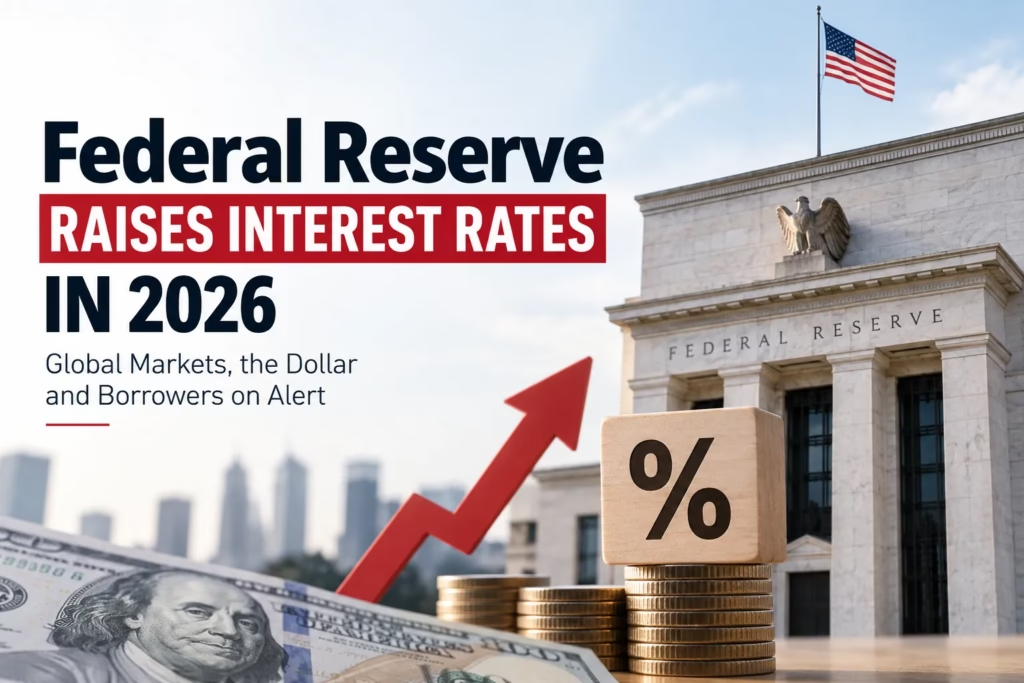
The Federal Reserve raised interest rates by 25 basis points on September 16, 2026, taking its benchmark federal funds rate to 3.75%–4.00% as inflation remains elevated.
The US Federal Reserve has raised interest rates for the first time since 2023, drawing attention from global investors, currency markets and borrowers. The Federal Open Market Committee (FOMC) approved a quarter-percentage-point increase, bringing the federal funds target range to 3.75%–4.00%.
The Fed announced the decision on September 16, 2026, following its two-day monetary policy meeting.
Why Did the Federal Reserve Raise Interest Rates?
The Federal Reserve cited elevated inflation and the need to support a timelier return to its 2% inflation target.
In its official statement, the central bank said US economic activity continues to expand at a solid pace. Domestic spending remains resilient, while productivity growth and capital investment remain strong.
The Fed also noted that job gains have kept pace with the workforce and that the unemployment rate has changed little.
However, inflation remains above the central bank’s target, prompting policymakers to tighten monetary policy.
How Could the Fed Rate Hike Affect Global Markets?
The Federal Reserve’s interest rate decision can influence financial markets beyond the United States.
Higher US interest rates can make dollar-denominated investments more attractive to global investors. This may support the US dollar and affect currency movements in emerging markets.
Global stock markets may also face pressure if higher borrowing costs reduce investor appetite for riskier assets. However, actual market movements depend on economic data, investor expectations and other financial conditions.
Investors will closely monitor future Fed decisions and inflation data to assess the direction of US monetary policy.
What Does the Interest Rate Hike Mean for Borrowers?
Higher interest rates can increase borrowing costs for consumers and businesses.
US borrowers with variable-rate credit cards, loans or other interest-linked debt may face higher interest expenses as lenders adjust their rates. The impact on individual borrowers will depend on their loan terms and the timing of any changes.
Fixed-rate borrowers generally retain their existing contractual interest rate unless they refinance or take out new debt.
Savers may also benefit if banks increase the interest rates they offer on savings accounts and deposits.
What Could the Fed’s Decision Mean for India?
The US interest rate increase could influence the Indian rupee, foreign investment flows and domestic financial markets.
A stronger US dollar may put pressure on the rupee, although currency movements also depend on several other factors.
Indian borrowers will not automatically face higher loan rates because of the Fed’s decision. The Reserve Bank of India sets domestic monetary policy independently, and Indian lending rates depend on domestic conditions and individual loan benchmarks.
Investors will watch currency movements, global capital flows and future policy decisions for potential effects on Indian markets.
What Happens Next?
The Federal Reserve’s next policy decisions will depend on inflation, employment and broader economic conditions.
The September rate increase highlights the central bank’s continued focus on price stability. Investors and borrowers will watch upcoming economic data and Fed announcements for signals about future interest rates.
For now, the increase to 3.75%–4.00% puts US monetary policy back in focus as global markets assess the potential impact on the dollar, borrowing costs and investment conditions.