|
Getting your Trinity Audio player ready...
|
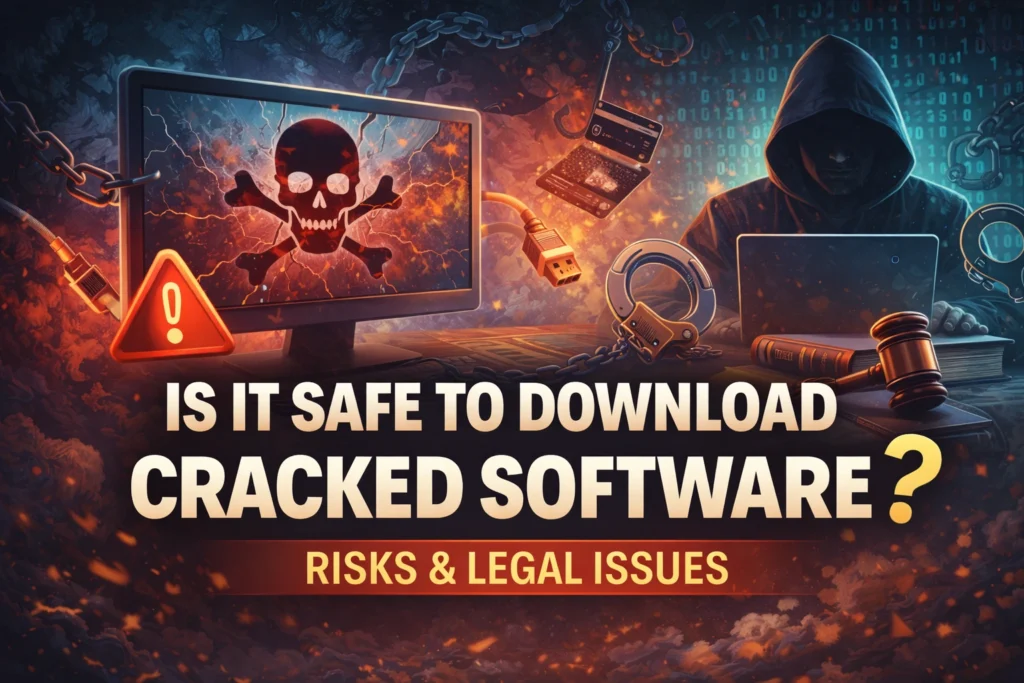
Downloading cracked software may seem like an easy way to access premium tools or games for free. However, this shortcut comes with serious risks that most users underestimate. While cracked programs promise free access, they often expose your PC to malware, legal issues, and long-term system damage.
In today’s digital landscape, where cybersecurity threats are rising rapidly, understanding whether cracked software is safe is more important than ever. This guide explores the real dangers, legal implications, and safer alternatives you should consider before installing cracked software on your PC.
What Is Cracked Software?
Cracked software refers to modified versions of paid programs where licensing restrictions are bypassed. Developers or hackers alter the original code to remove activation requirements, allowing users to access premium features without paying.
Although this may sound attractive, these modified files are distributed through unofficial sources that do not follow security standards. Consequently, users have no guarantee that the downloaded file is safe or authentic.
Moreover, since cracked software is not officially supported, it does not receive updates, bug fixes, or security patches, which makes systems highly vulnerable over time.
Major Security Risks of Downloading Cracked Software
Malware and Virus Infections
One of the biggest dangers of cracked software is hidden malware. Hackers often bundle viruses, trojans, spyware, or ransomware within cracked installation files. Once installed, these malicious programs can steal personal data, track online activity, or even lock your system for ransom.
Even if the software appears to work normally, background malware may silently compromise your files and sensitive information.
Data Theft and Privacy Breaches
Cracked applications often request unnecessary system permissions. As a result, attackers can access passwords, financial details, browsing history, and personal files. This data can then be sold on the dark web or used for identity theft.
Since the software comes from unofficial sources, there is no accountability if your data gets compromised.
No Security Updates or Support
Official software developers release regular updates to fix vulnerabilities and improve performance. However, cracked versions cannot receive these updates because they bypass official licensing systems.
Therefore, your system remains exposed to newly discovered security threats without any protection. Over time, this significantly increases the risk of cyberattacks and system instability.
Legal Consequences You Should Know
Downloading and using cracked software is illegal in many countries because it violates copyright and intellectual property laws. Even if you are not distributing the software, simply using an unauthorized version can still be considered piracy.
Companies actively monitor illegal usage through license verification systems. If detected, users may face legal notices, fines, or restrictions from accessing official services.
Furthermore, businesses using cracked software risk severe penalties, including lawsuits and reputational damage. For organizations, this legal exposure can lead to significant financial losses.
Performance and System Stability Issues
Cracked software often causes performance problems because its original code is modified. These modifications can introduce bugs, crashes, and compatibility issues with your operating system.
Additionally, since updates are unavailable, performance problems remain unresolved permanently. Over time, your system may slow down, freeze frequently, or become completely unstable.
This instability reduces productivity and can even lead to permanent data loss if the application corrupts system files.
Ethical Concerns and Developer Impact
Beyond security and legal risks, using cracked software raises ethical concerns. Software development requires significant time, expertise, and financial investment. When users bypass licensing, developers lose revenue that supports future innovation and updates.
Supporting official software helps maintain sustainable development ecosystems. Conversely, widespread piracy discourages creators from investing in high-quality tools and applications.
Thus, choosing legitimate software not only protects your system but also supports the creators behind the technology you use daily.
Why People Still Download Cracked Software
Despite the risks, many users still choose cracked software due to high subscription costs or limited access to premium tools. Students, freelancers, and gamers often look for free alternatives when official pricing seems expensive.
However, this short-term saving often results in long-term costs through malware removal, data recovery, or even hardware repairs. Therefore, the perceived financial benefit rarely outweighs the potential risks.
Safer Legal Alternatives to Cracked Software
Instead of risking your system and legal safety, consider these legitimate alternatives:
Free and Open-Source Software
Many powerful open-source tools offer features comparable to paid software. Programs like GIMP for image editing, LibreOffice for productivity, and Blender for 3D design provide professional-grade capabilities without licensing costs.
Official Free Trials and Student Discounts
Most premium software providers offer free trial periods, student licenses, or discounted plans. These legal options allow you to access full features safely while staying within licensing guidelines.
Freemium Versions
Many developers provide freemium versions of their software with limited but useful features. These versions are fully legal and secure, making them a safer option for casual users.
Long-Term Impact on Your PC and Digital Safety
Installing cracked software does not just affect one application; it compromises your entire digital ecosystem. Malware can spread across your network, infect connected devices, and expose cloud accounts to unauthorized access.
Additionally, compromised systems often experience reduced lifespan due to continuous background processes and security vulnerabilities. This hidden damage can eventually require expensive repairs or complete system replacement.
Therefore, protecting your device from untrusted software is essential for long-term digital safety.
Conclusion
Downloading cracked software may seem like a cost-saving shortcut, but it exposes users to serious risks including malware infections, data theft, legal consequences, and long-term system instability. While the temptation of free premium software is understandable, the hidden costs often outweigh the short-term benefits.
Choosing legal alternatives such as open-source tools, free trials, or discounted licenses ensures both security and peace of mind. Ultimately, protecting your data, device, and digital reputation should always take priority over temporary convenience.
In the modern cybersecurity landscape, the safest choice is clear: avoid cracked software and opt for legitimate, secure solutions that support both your productivity and online safety.