|
Getting your Trinity Audio player ready...
|
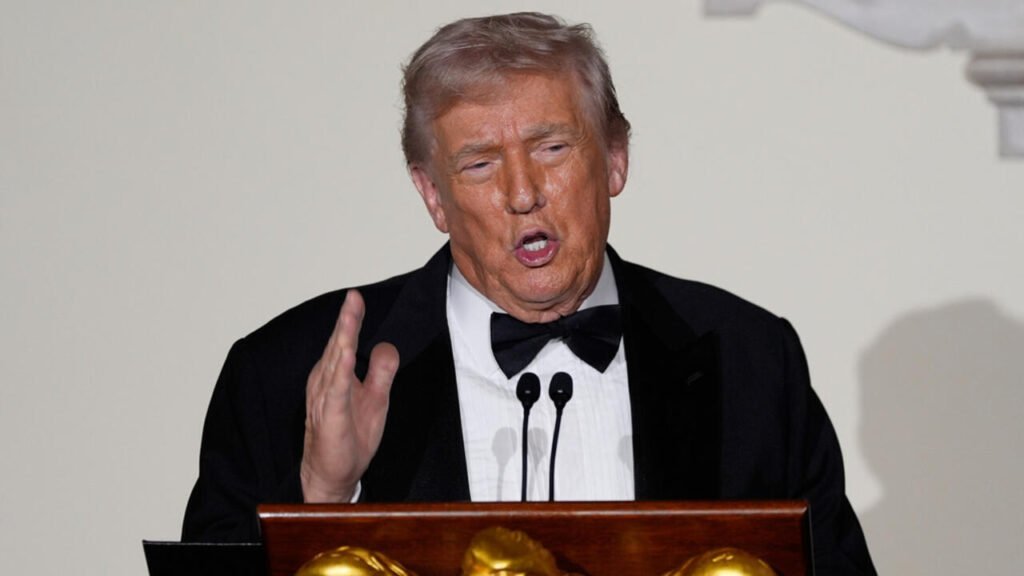
The Russia-Ukraine war continues to be one of the most consequential geopolitical crises of the 21st century. Three years after Russia’s full-scale invasion of Ukraine in February 2022, the conflict remains unresolved, with explosive battlefield intensity, staggering casualties, and a diplomatic deadlock that shows no clear path to peace. Into this mess steps U.S. President Donald J. Trump—expressing a level of frustration that, frankly, reflects broader global exhaustion with the grinding, inconclusive fight.
This moment is not just another foreign affairs news item; it’s a turning point in how the United States is positioning itself, how Ukraine perceives its allies, and how the world may view the future of Western security and deterrence.
A President Fed Up With Talks That Lead Nowhere
Earlier this week, the White House conveyed that Donald Trump is “extremely frustrated” with both Russia and Ukraine over the speed and quality of progress in peace negotiations. Press Secretary Karoline Leavitt described Trump’s stance bluntly: he doesn’t want more meetings just for meetings’ sake—he wants concrete steps toward peace.
That sentiment—no more talk, more action—is notable because it departs from the traditional U.S. strategy of prolonged diplomatic engagement involving allies, sanctions, military aid, and protracted negotiations. Instead, Trump appears impatient with the stalemate and openly irritated with what he sees as chip-and-charge diplomacy without results.
But here’s the tension: frustration is easy; diplomacy is hard.
Achieving peace requires concessions, compromise, and trust—none of which are abundant between Moscow and Kyiv. Trump’s irritation is aimed at both sides, which reflects how deeply stuck the current process is.
The Peace Proposal Drama
The friction centers around controversial proposals for ending the war. The Trump administration has floated a multi-point peace plan that involves territorial compromises, demilitarized zones, and novel governance ideas. A notable element is the concept of a “free economic zone” in eastern Ukraine’s Donbas region—a move that critics argue would effectively hand Russia control of disputed territory while leaving Ukraine vulnerable.
Ukrainian President Volodymyr Zelenskyy has pushed back strongly. Kyiv insists that territorial compromises must be decided by Ukrainians themselves—through elections or referendums—not imposed by outside powers. Trusting Russia or interpreting U.S. plans that might mirror Kremlin demands is a hard sell when millions of Ukrainian lives and the sovereignty of an entire nation are at stake. Financial Times
In other words, Trump’s plan—no matter how well-intended—is being read through the lens of battlefield reality, national pride, and raw survival.
Why Trump’s Frustration Is Not Just Rhetoric
It’s easy to dismiss presidential frustration as political posturing. But this irritation has real foreign policy consequences.
For one, Trump is signalling to allies that the U.S. may prioritize results over process. In practical terms, that could mean leaning harder on Ukraine to accept compromises, or pushing harder on Russia with sanctions or strategic threats—but only if it yields progress.
There’s also pressure building within the U.S. government. Trump is weighing whether the United States should attend upcoming European peace talks—only if there’s a realistic chance of tangible movement. That’s a significant shift from unconditional diplomatic participation to a results-based engagement.
That “results-only” mindset could reshape U.S. foreign policy in ways that extend beyond Ukraine.
The Frustration Narrative and U.S. Domestic Politics
Another layer is the domestic political angle. Trump’s frustration resonates with parts of the American public that are tired of endless foreign entanglements. It fits neatly into a broader argument that the U.S. should demand more from its allies and adversaries or recalibrate its commitments based on clear outcomes.
But there’s a contradiction here too. On one hand, Trump criticizes Ukraine’s leadership for not agreeing to his proposed deal. On the other hand, the U.S. has pushed plans that Ukraine sees as unrealistic or even dangerous. Those messages risk feeding narratives in Kyiv that the U.S. doesn’t fully grasp Ukrainian priorities.
This duality—insisting on peace while promoting a plan that Ukraine distrusts—is a diplomatic tightrope.
The Bigger Geopolitical Puzzle
Trump’s frustration doesn’t happen in a vacuum. Globally, Russia looks at the West and sees cracks. It hears U.S. impatience, senses wavering unity among NATO members, and tries to exploit divisions. Meanwhile, China watches how the West manages protracted conflict, learning lessons for its own ambitions in Taiwan, the South China Sea, and beyond.
If world powers cannot resolve a war between two European neighbors, what does that say about the future of global conflict resolution?
Trump’s impatience might be warranted—but frustration is not a strategy. If diplomatic urgency isn’t matched with realistic, mutually agreeable frameworks, the war could drag on indefinitely.
A Moment of Truth for Europe, too
European allies are forced to adjust. Many support Ukraine’s resistance and reject territorial concessions. Others see the fiscal and military strain on their own economies and defense budgets. Trump’s pressure on Europe to rethink its role puts additional strain on transatlantic relations.
In Brussels and capitals across Europe, policymakers are asking: Will the United States stay engaged? Or will frustration lead to disengagement?
The answer matters profoundly for NATO and European security architecture. If allies see the U.S. potentially pull back or pressure Ukraine into concessions it finds unacceptable, they may rethink their defense postures, alliances, and risk calculations.
A Human Dimension Too Often Forgotten
While leaders wrangle over proposals and diplomatic gridlock, the human cost remains terrible. Casualty figures continue to climb, infrastructure crumbles, families are displaced, and civilians endure trauma that will echo for generations.
Trump’s frustration is political; Ukraine’s suffering is deeply personal.
Any peace plan that fails to account for the real human cost will be rejected by those who live it every day. And no amount of White House exasperation cancels out the lived reality of war.
Final Thoughts
Donald Trump’s growing irritation with the Russia-Ukraine negotiations shines a spotlight on the stalemate. It forces renewed attention on why this war persists and the limits of diplomacy without genuine compromise.
But frustration is a symptom of a deeper problem: there is no easy solution. Russia sees strategic value in pressing gains; Ukraine refuses to surrender land and identity; and the West balances pressure with pragmatism.
For peace to arrive, leaders must move beyond irritation and toward a framework built on mutual respect for sovereignty, security, and human life. Anything less risks prolonging one of Europe’s most devastating conflicts in decades.
Written with analytical depth and global perspective—this blog captures the essence and implications of Trump’s frustrated stance on the Russia-Ukraine war.