|
Getting your Trinity Audio player ready...
|
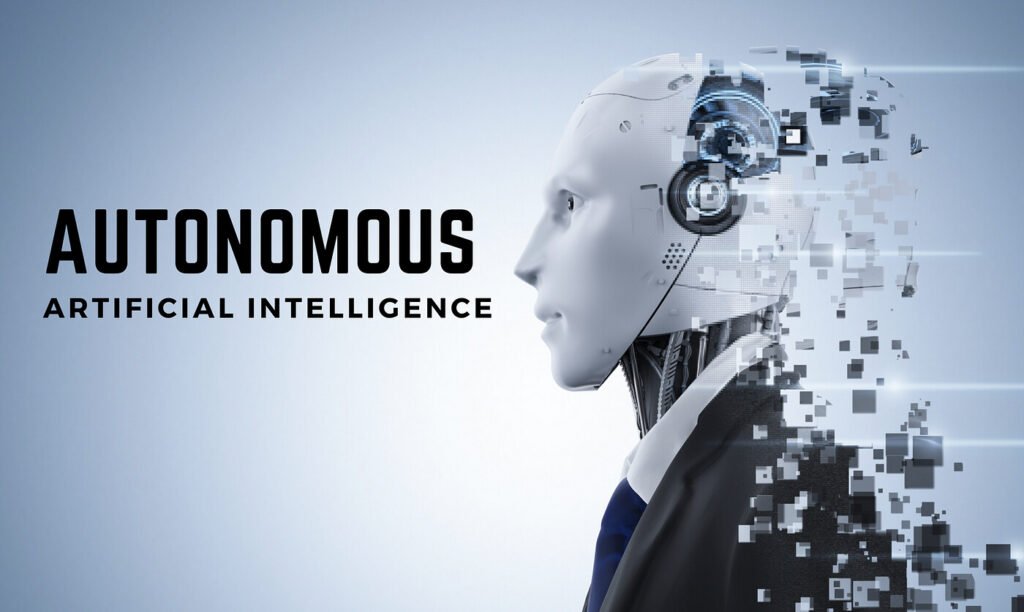
Artificial Intelligence has evolved faster in the last two years than in the previous decade. What started as a wave of chatbots and assistants has now matured into something far more advanced — autonomous AI agents. These are not just tools that wait for instructions; they are digital entities capable of thinking, planning, acting, and learning independently. The year 2025 marks the tipping point where these agents are moving from experimental technology to mainstream adoption across industries.
Unlike traditional AI systems that follow fixed rules or pre-defined prompts, autonomous AI agents can identify tasks, make decisions, execute actions, and adapt their approach based on results. They are designed to operate with a degree of independence — much like a human employee — but powered by data, algorithms, and continuous self-improvement.
What Makes Autonomous AI Different
Most AI tools we use today are assistive: they respond to our input. You type a prompt, and it gives an answer. Autonomous agents go beyond this. They have a goal-driven architecture that allows them to:
- Plan: Break a goal into smaller tasks and decide the best approach.
- Execute: Take actions through APIs, scripts, or systems without human involvement.
- Learn: Analyze feedback or outcomes to refine future performance.
- Collaborate: Interact with other agents or systems to complete complex workflows.
In simple terms, they are the bridge between artificial intelligence and artificial autonomy.
This means instead of merely helping you write a blog or analyze traffic, an autonomous agent could research trending topics, draft optimized content, upload it to WordPress, update metadata, and even monitor results — all on its own.
The Agentic AI Era Has Begun
The world is entering what many experts call the Agentic AI Era — a time when intelligent systems will not just assist us but actively operate within our digital and physical environments.
Businesses are already experimenting with agents that can handle customer support, manage logistics, generate code, optimize marketing, and perform real-time analysis. The results are remarkable: faster workflows, reduced human error, and 24/7 operational capability.
- sectors like software development, autonomous coding agents can already write, debug, and deploy applications.
- marketing, AI-driven agents can analyze competition, adjust ad campaigns, and schedule social media posts dynamically.
- finance, they can predict trends, balance portfolios, and perform audits.
The possibilities are endless — and we’re just getting started.
How It’s Transforming SEO and Digital Marketing
For SEO executives, marketers, and WordPress developers, the rise of autonomous AI represents both a challenge and a massive opportunity.
Imagine having AI agents that can:
- Conduct in-depth keyword research and competitor analysis.
- Generate SEO-optimized blog drafts and product descriptions.
- A/B test title tags, meta descriptions, and layouts.
- Monitor analytics and adjust on-page elements in real time.
- Identify declining pages and automatically update content freshness.
This level of automation turns SEO into a dynamic, adaptive ecosystem rather than a static process. Instead of manually optimizing every piece, you orchestrate intelligent systems that continuously refine your site for performance.
However, this also means the digital landscape will soon be flooded with AI-generated content. Search engines will likely adjust algorithms to favor depth, authenticity, and human insight. The smart move is not to compete on volume but to combine AI efficiency with human creativity and strategy.
The Human-AI Partnership
It’s tempting to imagine a future where AI agents handle everything. But the real value lies in collaboration, not replacement. Autonomous AI systems are extraordinary at execution — but human intelligence still leads in strategy, emotion, and ethics.
The most effective approach is a hybrid model, where humans define objectives, tone, and brand identity while agents handle execution, data analysis, and optimization. You become the orchestrator — the creative mind directing a network of intelligent assistants.
This model doesn’t just enhance productivity; it redefines what’s possible. Small teams can now operate with the output of large agencies. Independent creators can manage full-scale digital ecosystems. And businesses can focus more on innovation while AI handles the routine.
The Ethical and Trust Challenge
As with any powerful technology, the rise of autonomous AI agents comes with risks. Deepfakes, misinformation, and automated manipulation are growing concerns. The ability of these systems to act independently means they can produce or spread content that blurs the line between real and artificial.
For marketers and content creators, transparency will become essential. Labeling AI-generated work, maintaining authenticity, and ensuring ethical use of automation will be critical for audience trust and search engine compliance.
The era of “invisible AI” — where brands secretly publish machine-made content — is ending. The next phase will reward honesty, originality, and responsible innovation.
How Developers Can Harness the Change
For WordPress developers, this evolution is an open invitation to innovate. Imagine plugins powered by autonomous AI that can:
- Audit websites for performance and SEO daily.
- Identify broken links or low-ranking pages and fix them automatically.
- Generate content calendars based on analytics.
- Update schema markup, alt text, and metadata dynamically.
Building integrations for such agents will soon become a major niche in web development. Those who master this intersection of AI, automation, and UX will lead the next wave of digital innovation.
The Future Is Agentic
Autonomous AI agents aren’t just a trend — they’re the next paradigm of digital intelligence. They represent the shift from “AI that responds” to “AI that acts.”
We are standing at the start of a decade where websites, applications, and entire businesses will be partially run by intelligent systems that require minimal supervision. This will redefine productivity, competition, and creativity.
But here’s the key insight: the winners of this era will not be those who replace humans with AI. It will be those who design ecosystems where human judgment and AI autonomy coexist — amplifying each other’s strengths.
The technology is ready. The infrastructure is growing. The challenge now is to adopt it wisely, ethically, and strategically.
The world is not moving toward a future with AI agents — it’s moving into a world run by them. The only question is whether we’re leading the agents or letting them lead us.