
|
Getting your Trinity Audio player ready...
|
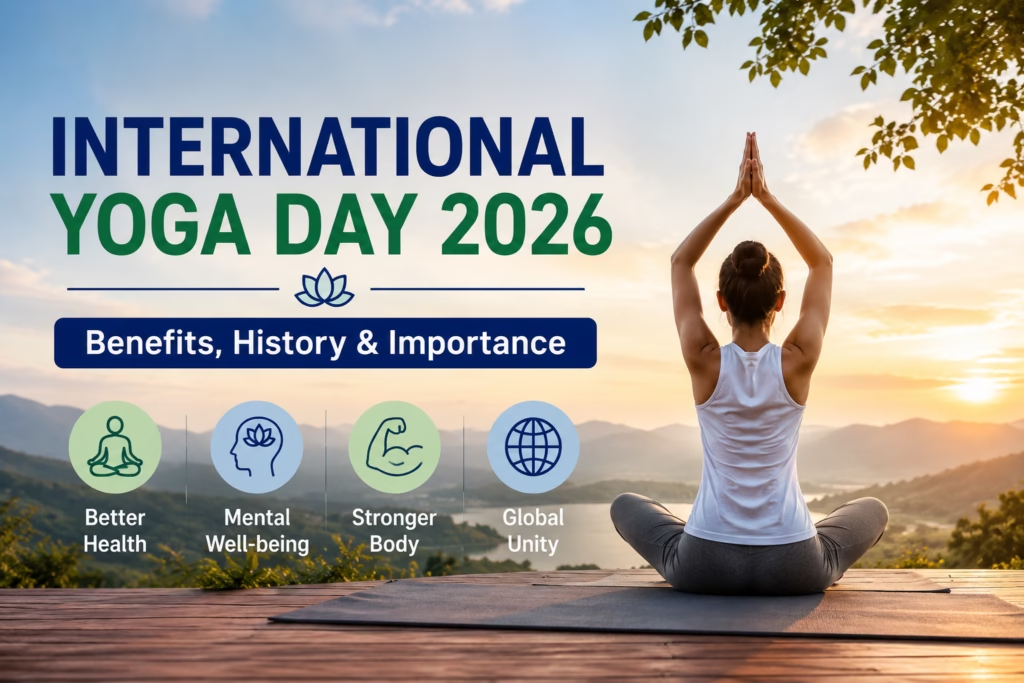
Every year on June 21, millions of people across the globe roll out their yoga mats and participate in one of the world’s largest wellness movements—International Yoga Day. From crowded city parks and beaches to schools, offices, community centers, and homes, people of all ages come together to celebrate the ancient practice of yoga.
What began as an Indian tradition thousands of years ago has transformed into a global phenomenon embraced by people from different cultures, religions, and backgrounds. Today, yoga is recognized not only as a form of physical exercise but also as a powerful tool for improving mental health, reducing stress, increasing flexibility, and promoting overall well-being.
As the world continues to face challenges related to lifestyle diseases, mental health concerns, work pressure, and digital overload, the importance of yoga has become greater than ever. International Yoga Day serves as a reminder that a healthier lifestyle often begins with simple daily habits.
In 2026, the celebration of International Yoga Day continues to inspire millions of people to prioritize their physical and mental health while embracing a practice that has stood the test of time.
The Origin of International Yoga Day
The idea of celebrating a dedicated International Yoga Day was first proposed by India at the United Nations. The proposal received overwhelming support from countries around the world, demonstrating yoga’s universal appeal.
In December 2014, the United Nations officially declared June 21 as International Yoga Day. The date was chosen because it marks the summer solstice in the Northern Hemisphere, the longest day of the year, which holds special significance in many cultures and yogic traditions.
The first International Yoga Day was celebrated on June 21, 2015, with massive participation from people worldwide. Since then, the event has grown significantly, attracting millions of participants every year.
The establishment of International Yoga Day highlighted India’s contribution to global wellness and introduced many people to yoga for the first time.
Understanding Yoga Beyond Physical Exercise
Many people associate yoga primarily with stretching exercises and body postures. However, yoga is much more than a fitness routine.
The word “Yoga” originates from the Sanskrit term “Yuj,” meaning union or connection. Yoga focuses on creating harmony between the mind, body, and spirit.
Traditional yoga includes several key components:
- Physical postures (Asanas)
- Breathing techniques (Pranayama)
- Meditation
- Mindfulness
- Relaxation practices
- Mental discipline
Together, these elements help individuals achieve balance in their daily lives.
Unlike many fitness trends that come and go, yoga offers a holistic approach to health that benefits both physical and mental well-being.
Why International Yoga Day Matters in 2026
The relevance of International Yoga Day has increased significantly in recent years.
Modern lifestyles often involve long working hours, excessive screen time, poor sleep habits, unhealthy diets, and high levels of stress. These factors contribute to a growing number of health issues worldwide.
Yoga offers a practical and accessible solution.
Regular yoga practice can help individuals manage stress, improve posture, increase flexibility, strengthen muscles, and enhance overall health without requiring expensive equipment or gym memberships.
In 2026, more people than ever are turning to yoga as a natural way to improve their quality of life.
Physical Benefits of Yoga
One of the biggest reasons for yoga’s global popularity is its wide range of physical health benefits.
Improves Flexibility
Many yoga poses gently stretch muscles and joints, helping improve flexibility over time.
People who practice yoga regularly often notice increased mobility and reduced stiffness.
Builds Strength
Contrary to popular belief, yoga is not just about stretching.
Many poses require bodyweight resistance, helping build strength in the arms, legs, core, and back.
Enhances Posture
Poor posture has become increasingly common due to prolonged sitting and excessive smartphone usage.
Yoga strengthens supporting muscles and encourages proper body alignment.
Supports Heart Health
Several studies suggest that regular yoga practice can contribute to better cardiovascular health by reducing stress and improving circulation.
Improves Balance
Balance-focused poses help strengthen stabilizing muscles and improve coordination, particularly beneficial for older adults.
Mental Health Benefits of Yoga
Mental health has become a major global concern, making yoga more relevant than ever.
Reduces Stress
Yoga combines breathing exercises, movement, and mindfulness, which can significantly lower stress levels.
Many people report feeling calmer and more relaxed after even a short yoga session.
Improves Focus
Regular practice encourages mindfulness and concentration.
This can help students, professionals, and entrepreneurs maintain better focus throughout the day.
Better Sleep Quality
Yoga helps relax the nervous system and reduce mental clutter, making it easier to fall asleep and enjoy deeper rest.
Supports Emotional Well-Being
Yoga promotes self-awareness and emotional balance, helping individuals manage anxiety and everyday challenges more effectively.
The Global Growth of Yoga
Yoga’s popularity has expanded dramatically over the past two decades.
Today, yoga studios can be found in nearly every major city around the world. Millions of people participate in online classes, wellness retreats, corporate yoga programs, and community sessions.
Countries across North America, Europe, Asia, Australia, South America, and Africa actively celebrate International Yoga Day through public events and wellness initiatives.
The global yoga industry has also experienced significant growth, encompassing teacher training, apparel, wellness tourism, digital platforms, and health-focused products.
This growth demonstrates how yoga has evolved into a worldwide wellness movement.
Yoga and the Modern Workplace
Corporate stress has become a major issue in today’s professional environment.
Many organizations now incorporate yoga into workplace wellness programs.
Employers have recognized that yoga can help:
- Reduce employee stress
- Improve concentration
- Increase productivity
- Support mental health
- Reduce workplace burnout
Short yoga and mindfulness sessions are becoming increasingly common in offices around the world.
As remote work and hybrid work models continue to evolve, many professionals use yoga to maintain physical activity and manage stress throughout the day.
International Yoga Day Celebrations Around the World
International Yoga Day is celebrated in diverse and creative ways across different countries.
Large public gatherings often take place in parks, stadiums, beaches, and iconic landmarks.
Schools organize yoga sessions for students, while universities host workshops focused on wellness and mindfulness.
Many governments, health organizations, and community groups conduct awareness campaigns to encourage participation.
Social media platforms also play a major role in spreading yoga-related content, inspiring people to begin or continue their wellness journey.
These celebrations demonstrate yoga’s ability to unite people regardless of nationality, culture, or language.
Yoga for Children and Students
Students face increasing academic pressure, competition, and screen-related challenges.
Yoga can be particularly beneficial for young people.
Regular practice may help students:
- Improve concentration
- Enhance memory
- Reduce exam stress
- Improve posture
- Develop healthy habits
Many educational institutions now incorporate yoga into their wellness programs to support student health.
As mental health awareness grows, yoga is becoming an important tool for helping young people maintain balance in their lives.
Common Misconceptions About Yoga
Despite its popularity, several misconceptions still exist.
Some people believe yoga is only for flexible individuals. In reality, yoga can be adapted for all fitness levels.
Others assume yoga requires advanced poses or years of training. However, beginners can start with simple movements and gradually progress.
Another misconception is that yoga is only for young people. In truth, people of all ages can benefit from yoga when practiced appropriately.
Understanding these facts helps make yoga more accessible to everyone.
The Future of Yoga
As wellness continues to become a global priority, yoga is expected to play an even larger role in health and lifestyle practices.
Technology is making yoga more accessible through:
- Online classes
- Mobile apps
- Virtual instructors
- Smart fitness devices
- Personalized wellness programs
At the same time, many practitioners continue to value yoga’s traditional roots and philosophical teachings.
The future of yoga will likely combine ancient wisdom with modern innovation, helping people achieve healthier and more balanced lives.
Conclusion
International Yoga Day 2026 is more than a global celebration—it is a reminder of the importance of physical health, mental well-being, and inner balance.
In a world filled with constant distractions, stress, and fast-paced lifestyles, yoga offers a simple yet powerful way to reconnect with ourselves. Its benefits extend beyond fitness, influencing emotional health, concentration, productivity, and overall quality of life.
From beginners exploring yoga for the first time to experienced practitioners deepening their practice, International Yoga Day continues to inspire people around the world to prioritize wellness.
As millions gather on June 21 to celebrate this ancient practice, the message remains clear: better health often begins with a single breath, a single movement, and a commitment to self-care.
FAQs
Why is International Yoga Day celebrated on June 21?
June 21 marks the summer solstice, the longest day of the year in the Northern Hemisphere, which holds significance in yogic traditions.
When was International Yoga Day first celebrated?
The first International Yoga Day was celebrated on June 21, 2015, after receiving approval from the United Nations.
What are the main benefits of yoga?
Yoga helps improve flexibility, strength, balance, stress management, focus, sleep quality, and overall well-being.
Can beginners participate in Yoga Day activities?
Yes. Yoga is suitable for beginners and can be adapted to different fitness levels and age groups.
Is yoga only about physical exercise?
No. Yoga includes breathing techniques, meditation, mindfulness, relaxation practices, and mental discipline in addition to physical postures.