
|
Getting your Trinity Audio player ready...
|
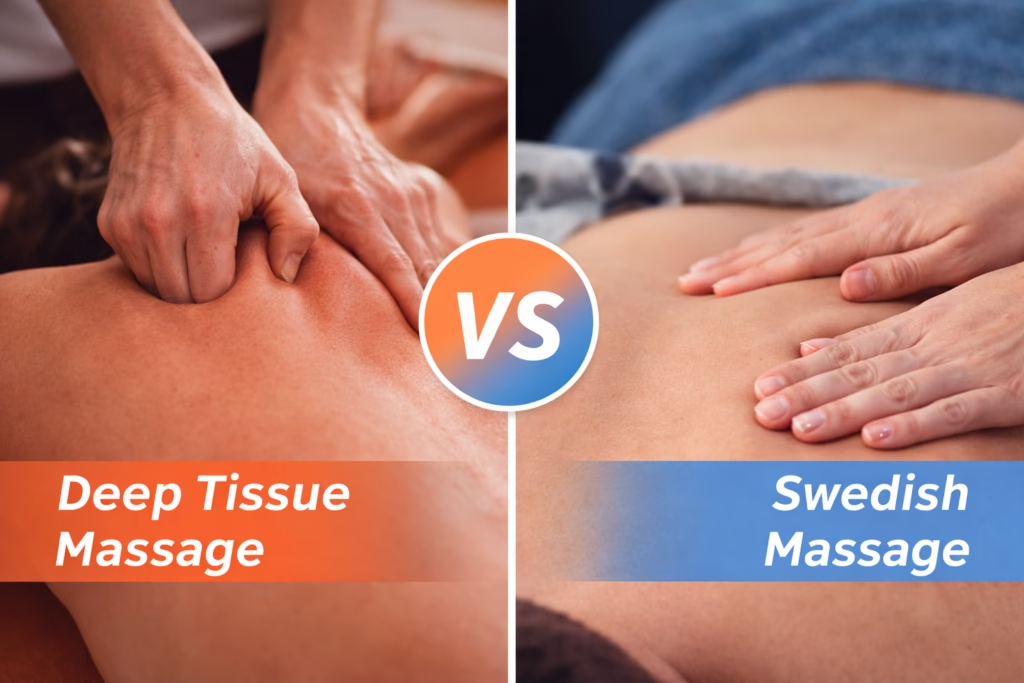
You are not the only one to get confused when you are trying to book a massage and you are in a dilemma on whether to choose deep tissue vs Swedish massage. These are the two most popular forms of massage in the world, however, they are used to very different purposes. Being aware of the distinction will save you time, money and disappointment. It is also able to make you achieve actual results of your session rather than merely making guesses.
Let us reduce it down to bare and simple terms.
What Is Swedish Massage?
The most popular and common type of massage therapy is Swedish massage. It was invented in the 18 th century and is meant to be used primarily to relax and generally maintain wellness. The therapists apply long smooth strokes, gentle kneading, circular motions and light tapping of the topmost layers of the muscles.
The intensity of a Swedish massage is light to medium. It is not aimed at correcting a profound or particular issue but to make your body completely relaxed, enhance blood flow, and reduce the overall level of stress.
An average Swedish massage takes 60 and 90 minutes. Throughout the session, your breathing is reduced, your muscles have been relieved of tension, and the majority of people are either sleepy or totally relaxed by the end of the session. It is a relaxing experience, not only to the body, but also to the mind.
The oils that are used when doing a Swedish massage also aid in bettering the skin and make the strokes smooth and easier. It is often called by many as one of the most pleasant and stress-free moments in their lives.
What is a Swedish massage good at?
Swedish massage is a good option when you:
- First time massage customer
- Desire to have less stress and anxiety in everyday life
- Get sore in tight muscles in sitting at a desk all day
- Simply wish to have a rest and be totally refreshed
- Is overcoming light fatigue or mental exhaustion
- Difficulty in sleeping or lack of energy
Deep Tissue Massage What Is It?
Deep tissue massage is far much more than the Swedish. Firm, slow and slow, deliberate pressure are applied to touch the deeper muscles and connective tissue underneath the surface by the therapist. It is aimed at untying knots, eliminating chronic tension, enhancing movement, and healing certain pain or wounded regions.
This massage may be dramatic. The session may cause you certain discomfort in areas that are extremely tight or contain old injuries. Nevertheless, such a momentary pain is normally replaced with huge relief after the session has ended. The difference is experienced to majority within 24-48 hours.
Deep tissue massage is more clinical and focused. Instead of targeting relaxation on the entire body, therapists tend to approach it on one or two areas of problem. They can apply the adequate amount of pressure with their fingers, thumbs, knuckles and even elbows to reach deep muscle layers.
Deep Tissue Massage: Who It Works Best?
Deep tissue massage is effective with individuals who:
- Suffers chronic back, neck or shoulder pain
- Sport or vigorous physical exercise
- Sit or stand for long hours and develop stiff muscles
- Suffers old injuries that are causing recurrent pain
- Have frequent muscle knots or tightness that can not subside
- Need to recover quicker after physical training or exercise
Important Disagreements in a Nutshell
| Feature | Swedish Massage | Deep Tissue Massage |
| Pressure Level | Light to Medium | Medium to Firm |
| Best For | Stress, Fatigue | Chronic Pain, Injury |
| Ideal For | Beginners, everyone | Active people, pain sufferers |
| Duration | 60–90 minutes | 60–90 minutes |
Is Deep Tissue Painful?
It is one of the most frequent questions that people ask prior to making a deep tissue session. The straightforward response is – it may be unpleasant at times, but it must not be so difficult that it becomes intolerable or indeed painful.
The level of pressure will constantly be monitored by a competent therapist during the session. When something is unpleasant to experience, communicate instantaneously. It is easy to tell the difference between the pleasingly good hurt of a tight muscle finally loosening and the real sharp or damaging pain.
You have the control of the session. You should not feel that you must take additional pressure than that one you are comfortable with. A licensed therapist will make changes according to your response with no problem.
It is also quite natural to have some soreness the next day after deep tissue massage just as your muscles do after a vigorous exercise. This is the healing and adjusting of your body. Consumption of ample water following your session will aid in the elimination of toxins and will also accelerate the healing of your muscles.
Which One Are You Supposed to Pick?
This is a basic and useful method of making the decision:
Swedish massage is recommended when the primary aim is to relax, de-stress, or have a relaxing and rejuvenating experience. It is also the best starting point in case you are new to the massage therapy and do not want to start with it sharply and experience any pain.
Deep tissue massage is the option that you should select in case of a localized chronic or long-term muscle tension or an old injury that just does not leave you alone. It is also a wiser option in case you are an athlete, a person who visits the gym, or does something physically demanding on a daily basis.
The two types are useful to some individuals under varying times. An example is that you may get a Swedish massage one week to relax in the stressful week and the other time you have a deep tissue massage when your lower back or shoulders are flaring.