|
Getting your Trinity Audio player ready...
|
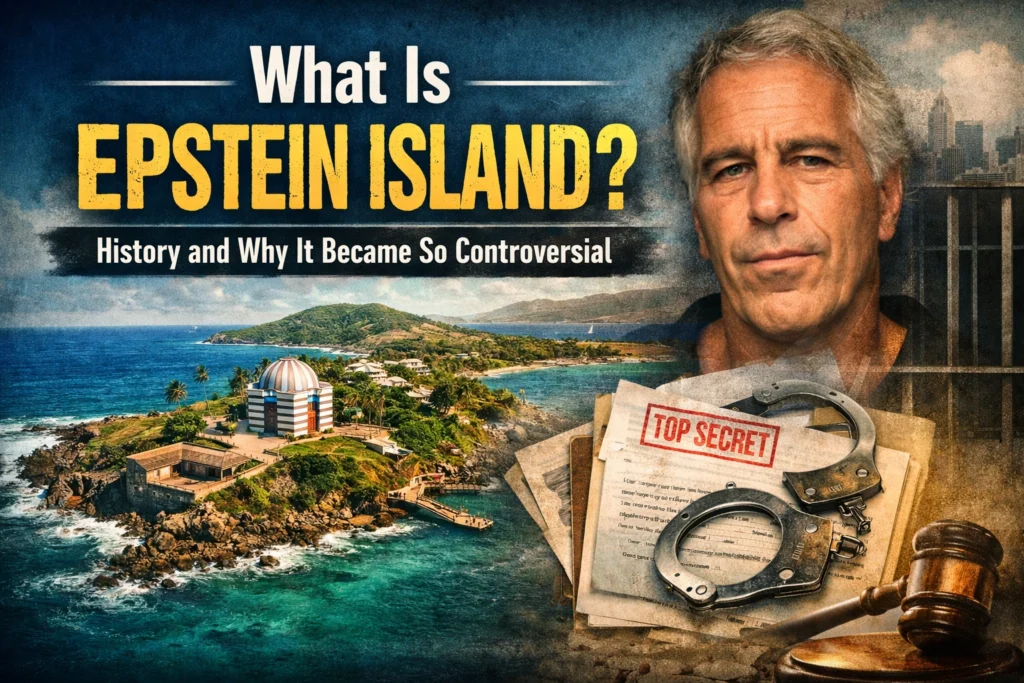
The question “What is Epstein Island?” has become one of the most searched queries online. The term refers to a private island once owned by financier Jeffrey Epstein, but over time it has evolved into a symbol of power, secrecy, and global controversy.
To truly understand what Epstein Island is, we must explore its location, ownership history, allegations linked to it, legal developments, and why it continues to trend worldwide years after the case first emerged.
Where Is Epstein Island Located?
Epstein Island is the popular name for Little Saint James, a small private island in the U.S. Virgin Islands. The island sits in the Caribbean Sea near St. Thomas and was purchased by Jeffrey Epstein in the late 1990s.
Because of its isolated location and private ownership, the island provided exclusivity and privacy. These factors later contributed to suspicions when serious allegations surfaced about activities that allegedly took place there.
Why Is It Called Epstein Island?
The island was never officially named “Epstein Island.” Its real name is Little Saint James. However, due to Epstein’s ownership and the criminal investigations associated with him, the media and public began referring to it informally as Epstein Island.
Over time, the nickname stuck and became widely used in news reports, documentaries, and online discussions. Today, the phrase has become shorthand for the broader controversy connected to Epstein’s case.
Why Did Epstein Island Become Controversial?
The island became globally controversial after allegations surfaced that it was used as a location for trafficking and abusing underage girls. Victims claimed they were transported to Epstein’s various properties, including the island, under false promises of work or financial support.
These allegations led to federal investigations and eventually criminal charges against Epstein in 2019. Authorities accused him of running a trafficking operation involving minors across multiple locations.
Although Epstein denied many accusations during his lifetime, victim testimonies and legal proceedings significantly shaped public perception and intensified global outrage.
The Role of Epstein Island in Legal Investigations
Little Saint James became a key focus during investigations because it was privately controlled and allegedly used for gatherings involving Epstein and associates. Law enforcement agencies examined travel records, testimonies, and financial transactions related to the island.
While some details remain part of sealed court documents or ongoing civil cases, the island’s connection to Epstein’s activities ensured that it remained central to legal scrutiny and media coverage.
What Happened After Epstein’s Arrest?
Authorities arrested Epstein in July 2019 on federal sex trafficking charges. Investigators alleged that he recruited underage girls and transported them across various locations, including his private island.
However, before the trial could proceed, Epstein died in jail in August 2019. Officials ruled the death a suicide, but the circumstances sparked widespread speculation and conspiracy theories. Because a full trial never took place, several aspects of the case remained unresolved, which continues to fuel online discussions about Epstein Island.
Why Is Epstein Island Still Trending Today?
Even years later, the island remains a trending topic for several reasons.
First, periodic court document releases keep the case in public focus. Each new legal disclosure reignites debate about who may have been connected to Epstein’s network.
Second, social media algorithms amplify controversial subjects. Content discussing Epstein Island often receives massive engagement, pushing the topic back into trending cycles repeatedly.
Third, the case represents broader concerns about accountability among wealthy and influential figures. Many people view the island as a symbol of systemic failures that allowed alleged crimes to continue for years.
Facts vs. Internet Speculation
Understanding what Epstein Island is also requires separating documented facts from online rumors.
Verified facts confirm that Epstein owned Little Saint James and faced federal trafficking charges supported by multiple victim testimonies. Legal proceedings, settlements, and investigations validated the seriousness of the allegations tied to his operations.
However, many viral claims circulating online remain unproven. Some theories involve secret elite lists or large-scale cover-ups without confirmed evidence. These speculative narratives spread quickly but should not be confused with established legal findings.
Cultural Symbolism of Epstein Island
Over time, Epstein Island has taken on a symbolic meaning beyond its geographic identity. It now represents issues like elite privilege, institutional oversight failures, and the importance of protecting trafficking victims.
For many observers, the island reflects how power and influence can intersect with legal systems in complicated ways. This symbolism explains why the topic frequently resurfaces in documentaries, news features, and online debates.
Will Epstein Island Ever Be Open to the Public?
After Epstein’s death, reports indicated that ownership of the island changed hands through legal and financial proceedings. While the island itself still physically exists, its future use remains subject to legal, commercial, and ethical considerations.
Given its controversial history, it is unlikely to become a normal tourist destination. Instead, it will probably remain associated with one of the most debated criminal investigations in recent history.
Final Thoughts
So, what is Epstein Island? At its core, it is a private Caribbean island once owned by Jeffrey Epstein. Yet its meaning extends far beyond geography. It has become a global symbol tied to allegations of trafficking, unresolved legal questions, and broader concerns about accountability among powerful individuals.
The reason the topic continues to trend is simple. The case ended without a full trial, leaving lingering questions in the public mind. As new legal documents, interviews, and investigations continue to surface, the story of Epstein Island remains a powerful reminder of how justice, influence, and public scrutiny intersect in the modern world.