|
Getting your Trinity Audio player ready...
|
Winter places extra demands on the human body. Cold temperatures slow circulation, dry out skin, and increase the risk of infections. At the same time, digestion naturally becomes stronger, making winter the ideal season to nourish the body properly.
Let’s be clear and practical: winter nutrition is about warmth, immunity, and sustained energy—not crash dieting.
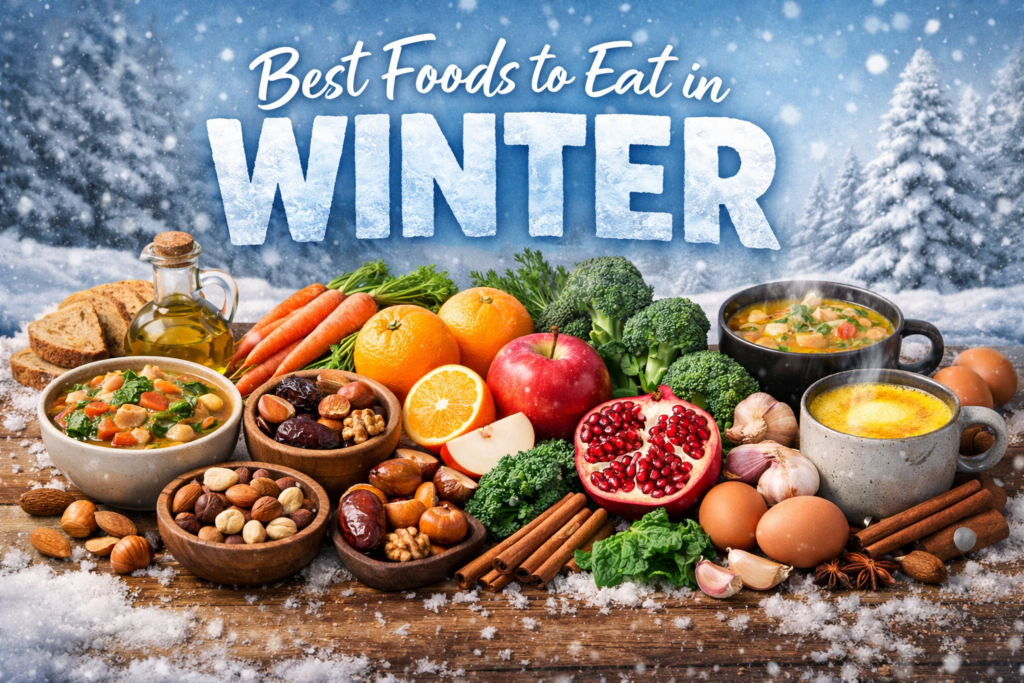
Here are the best foods people around the world should focus on during winter and why they matter.
1. Seasonal Winter Vegetables
Seasonal vegetables grown in winter climates are naturally rich in nutrients the body needs during cold months.
Best choices worldwide:
- Carrots
- Beets
- Spinach
- Kale
- Broccoli
- Cauliflower
- Brussels sprouts
Why they work:
These vegetables provide fiber, antioxidants, iron, and essential vitamins like A, C, and K. They strengthen immunity, support digestion, and help the body fight seasonal illnesses.
Best way to eat:
Lightly steamed, roasted, sautéed, or added to soups and stews.
2. Nuts and Dried Fruits
Nuts and dried fruits are winter staples across many cultures for a reason.
Best options:
- Almonds
- Walnuts
- Cashews
- Dates
- Raisins
Why they work:
They are rich in healthy fats, protein, minerals, and calories that help maintain body warmth and energy levels. Walnuts support brain health, almonds boost immunity, and dates provide quick energy.
Portion control matters:
A small daily handful is enough. Overconsumption can lead to unwanted weight gain.
3. Whole Grains and Complex Carbohydrates
Winter is the perfect time to rely on slow-digesting carbohydrates.
Best options:
- Oats
- Barley
- Quinoa
- Brown rice
- Whole wheat
Why they work:
These grains provide steady energy, support gut health, and help maintain body temperature. They also keep you full longer, reducing unhealthy snacking.
Best way to eat:
Porridge, warm grain bowls, soups, or whole-grain breads.
4. Protein-Rich Foods for Immunity
Protein is essential for tissue repair and immune defense, especially during colder months.
Best options:
- Eggs
- Fish
- Lean meats
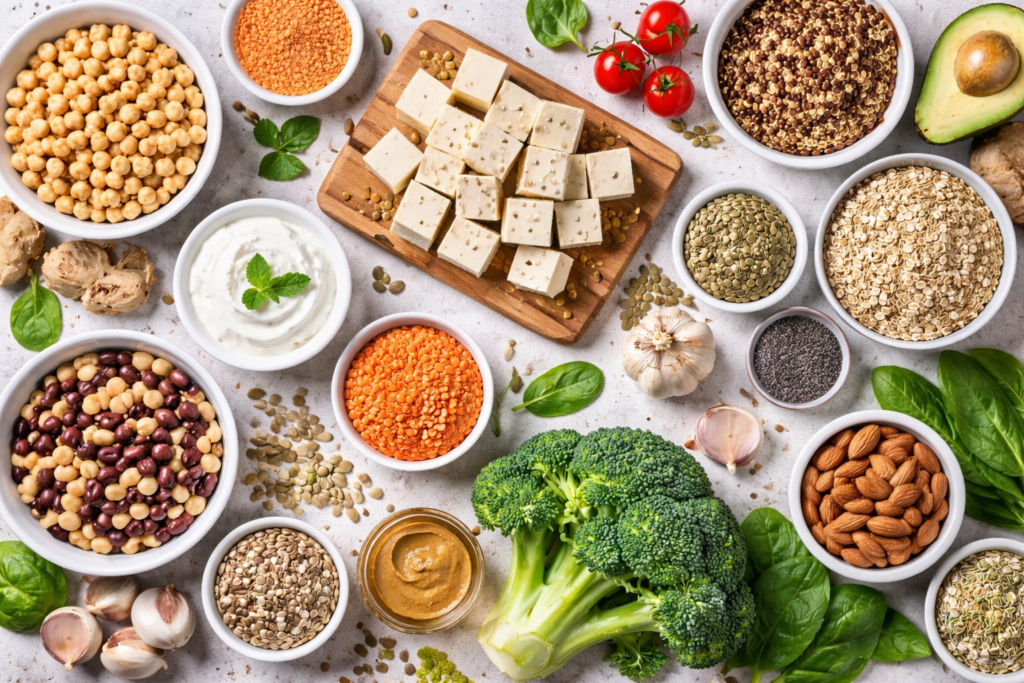
- Beans and lentils
- Tofu and dairy products
Why they work:
Protein helps maintain muscle mass, supports immune cells, and prevents fatigue during short winter days.
Tip:
Prefer warm, freshly cooked protein meals rather than cold or processed options.
5. Winter Fruits Rich in Vitamins
Best options:
- Oranges
- Grapefruits
- Apples
- Pears
- Pomegranates
Why they work:
These fruits are high in vitamin C, antioxidants, and natural sugars that strengthen immunity and protect against colds and flu.
Best time to eat:
Morning or early afternoon for better digestion.
6. Healthy Fats Are Essential
Many people reduce fat intake unnecessarily in winter. That’s a mistake.
Best options:
- Olive oil
- Butter (in moderation)
- Ghee
- Nuts and seeds
- Avocados
Why they work:
Healthy fats support joint health, improve skin hydration, regulate hormones, and provide long-lasting energy during cold weather.
Straight talk:
Eliminating fats completely in winter can weaken immunity and worsen dry skin.
7. Hot Soups and Warm Drinks
Best options:
- Vegetable soups
- Bone or chicken broth
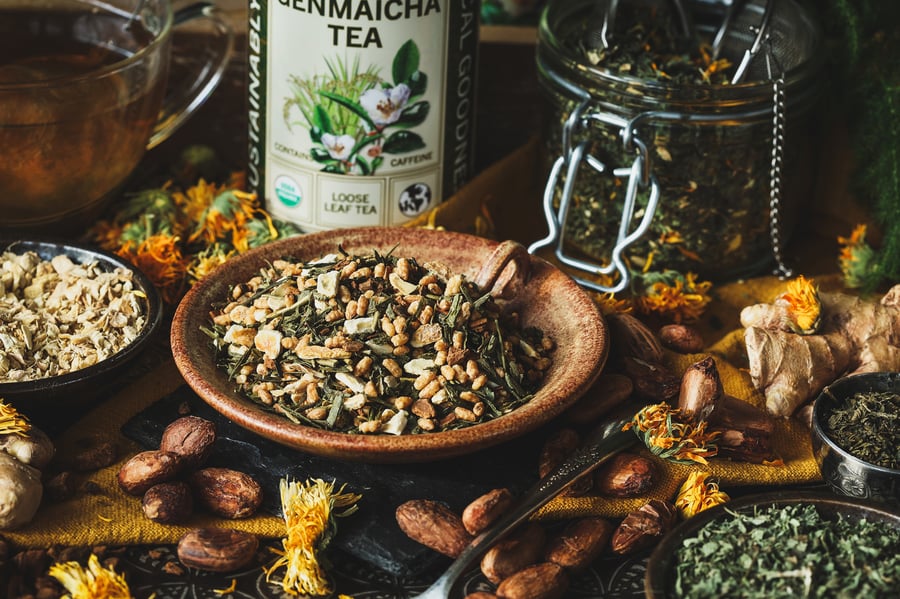
- Herbal teas
- Warm milk or plant-based alternatives
Why they work:
Warm fluids maintain body temperature, improve digestion, and soothe the throat and respiratory system.
Avoid:
Iced drinks and excessive sugary beverages during winter.
8. Spices and Herbs That Support Warmth
Spices are natural internal heaters used globally in winter cooking.
Best options:
- Ginger
- Garlic
- Black pepper
- Turmeric
- Cinnamon
Why they work:
They improve circulation, reduce inflammation, and enhance immunity while adding flavor to meals.
Foods to Limit During Winter
Be realistic about what harms winter health:
- Excess fried and greasy foods
- Sugary desserts and drinks
- Highly processed snacks
- Frequent cold beverages
These weaken digestion and increase susceptibility to illness.
Final Thoughts
Winter is the season to rebuild strength, not restrict nourishment. Eating seasonal foods, prioritizing warm meals, including healthy fats, and maintaining balanced nutrition can dramatically improve immunity, energy levels, and overall well-being.
When you eat in harmony with the season, your body performs better—not just in winter, but throughout the year.