|
Getting your Trinity Audio player ready...
|
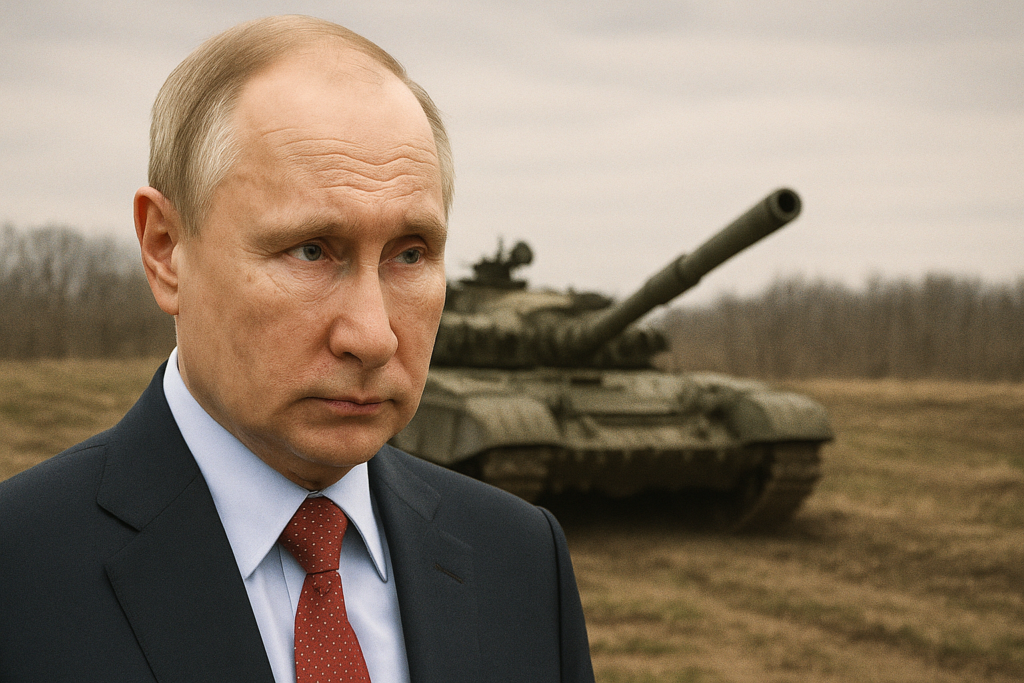
Russia has taken a harder, more aggressive stance in the ongoing conflict with Ukraine. President Vladimir Putin has warned that Russia will forcibly take control of the Donbas region if Ukrainian forces do not withdraw. The statement marks a shift from indirect pressure to a clear, uncompromising ultimatum.
Putin made it clear that Moscow considers Ukrainian military presence in Donbas unacceptable. The message isn’t subtle — it’s a direct demand paired with a threat of military action if ignored.
A Shift From Diplomacy to Military Threats
Over the past few months, tensions around Donbas have continued to build. But this warning signals a serious escalation. Instead of negotiations or diplomatic conversations, Russia is now positioning force as the next step.
The ultimatum isn’t framed as a negotiation tactic — it’s framed as an inevitable action should Ukraine refuse the demand. That makes the situation far more volatile.
The Strategy Behind the Warning
Putin’s move isn’t just about Donbas — it’s about redefining Russia’s authority and redrawing geopolitical boundaries. Gaining full control of the region would strengthen Moscow’s strategic position and deliver a symbolic win in a long-running conflict.
At the same time, it sends a message to the world: Russia is willing to escalate, even if it triggers broader political or military consequences.
What This Means: Escalation, Not Negotiation
For weeks, the region has been simmering under tense standoffs, but this kind of ultimatum signals a sharp escalation. It suggests that Russia sees little value left in diplomacy over Donbas — viewing withdrawal by Ukraine as the only acceptable outcome. The message is unmistakable: retreat or face force.
What’s worrying is that the threat is framed not as a conditional bargaining chip, but as a definite course of action if demands are unmet. That makes the window for negotiation appear narrower than ever before.
The Bigger Picture: What Russia Is Betting On
From Moscow’s vantage point, the insistence on territorial control could be part of a broader strategy — one that aims to redraw borders and cement long-term influence in eastern Ukraine. By forcing Ukraine’s hand, Russia might expect concessions or leverage elsewhere. This ultimatum potentially reshapes the dynamics of the conflict: it’s no longer about defending interests, but about asserting dominance.
It also sends a message — not just to Kyiv — but to the international community: the Kremlin is prepared to escalate, even at the cost of broader instability.
What Happens Next?
Ukraine now faces a high-stakes decision — withdraw and lose control of strategic territory, or hold position and risk direct confrontation.
International responses are expected, but whether words translate into intervention or pressure remains uncertain.
The situation now hangs at a critical point. If Russia proceeds, the world could witness another intense phase of conflict, potentially destabilizing Eastern Europe even further.
Conclusion: A Defining Moment
With Putin’s ultimatum, Donbas becomes more than disputed land — it becomes the frontline of power, authority, and geopolitical strategy.
The coming days will determine whether this warning leads to withdrawal, confrontation, or a last-minute diplomatic breakthrough. For now, one thing is clear: the conflict has entered a new and dangerous chapter.