|
Getting your Trinity Audio player ready...
|
What Is a Digital ID Card?
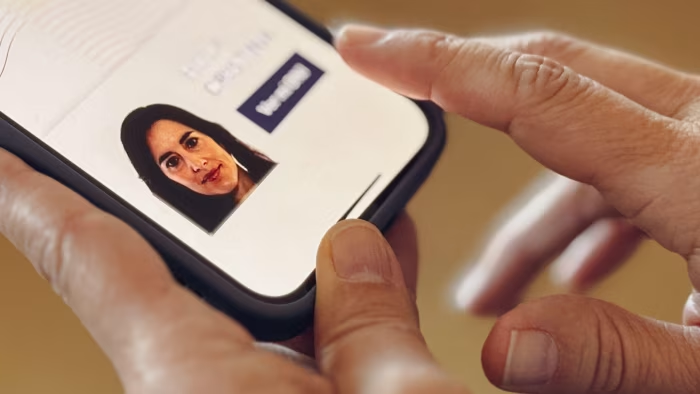
A digital ID card is an electronic version of a traditional identification card, typically stored on a smartphone or other digital device. It contains personal information such as your name, date of birth, photograph, and may include biometric data like fingerprints or facial recognition. These digital IDs are designed to verify your identity for various services, including employment, healthcare, and voting.
The UK’s Proposed Digital ID System
In September 2025, UK Prime Minister Keir Starmer announced plans to introduce a mandatory digital ID system for all working adults, known as the “Brit Card.” This initiative aims to combat illegal immigration and reduce exploitation in the labor market by ensuring that only individuals with legal rights to work can access employment. The digital ID would be integrated with the government’s existing “One Login” system and stored via a mobile app.
Why Are People Opposing Digital ID Cards?
Despite the government’s intentions, the proposal has faced significant backlash from various groups. Here’s why:
Privacy Concerns
Critics argue that a centralized digital ID system could lead to mass surveillance and data breaches. Organizations like Liberty and Big Brother Watch have expressed concerns that such a system could infringe on civil liberties and lead to unauthorized data collection.
Cybersecurity Risks
Experts warn that centralizing sensitive personal information increases the risk of cyberattacks. A breach could expose millions of individuals’ data, leading to identity theft and fraud.
Digital Exclusion
Not everyone has access to smartphones or the internet. The digital ID system could exclude older adults, low-income individuals, and those in rural areas from essential services, creating a digital divide.
Historical Precedents
The UK previously scrapped a national ID card system in 2010 due to similar concerns. Many believe that reintroducing such a system would repeat past mistakes.
The Petition Against Digital ID Cards
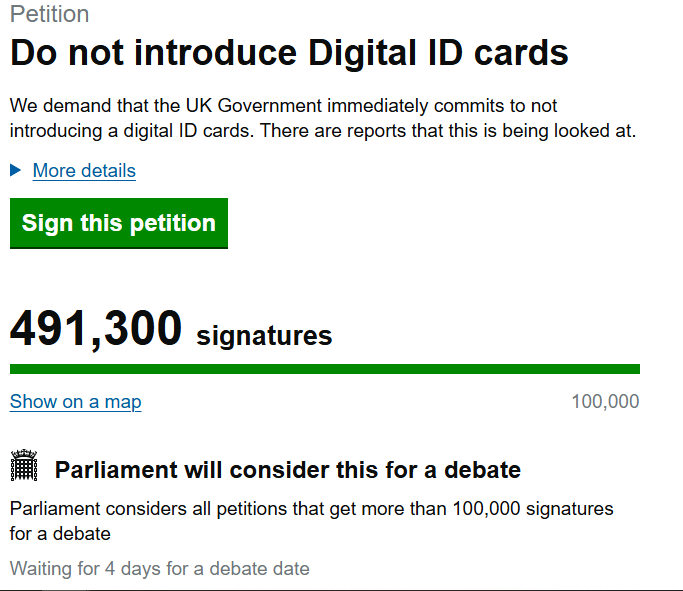
In response to the proposed digital ID system, a petition titled “Do not introduce Digital ID cards” has gained significant traction. Around 500,000 people have signed this petition to voice their opposition to the government’s plan. If you want to add your signature, you can sign the petition here.
FAQs
1. What is a digital ID card?
A digital ID card is an electronic version of a traditional ID card, stored on a smartphone or other device, and used to verify your identity online or offline.
2. Why is the UK introducing digital ID cards?
The government says it wants to reduce illegal immigration and exploitation in the labor market, while also making identity verification easier.
3. Who is opposing digital ID cards?
Civil rights groups, cybersecurity experts, and citizens concerned about privacy, digital exclusion, and potential misuse are opposing it.
4. How many people have signed the petition against digital ID cards?
Around 500,000 people have signed the petition to prevent the introduction of digital ID cards.
Conclusion
While the introduction of digital ID cards aims to streamline services and enhance security, it’s crucial to consider the potential risks and public concerns. The ongoing petition and public discourse highlight the need for a balanced approach that safeguards individual rights while addressing the challenges of modern identity verification.