|
Getting your Trinity Audio player ready...
|
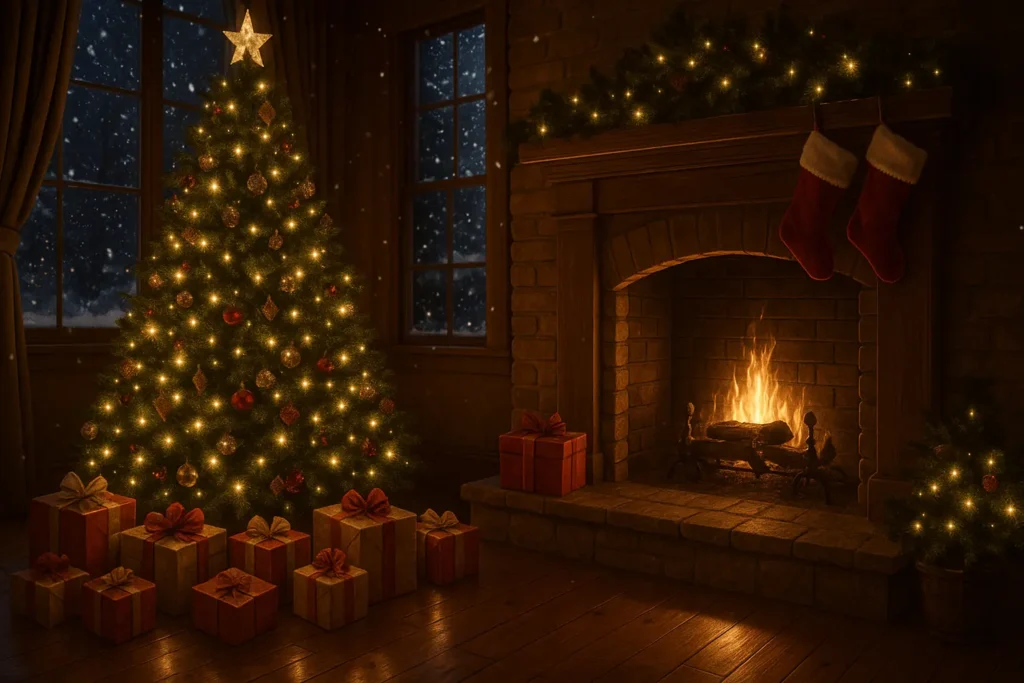
Every year, December 25 lights up the world with joy, celebrations, decorations, music, gifts, and family gatherings. Beyond the festive lights and Santa costumes, Christmas carries a deeper truth — it represents history, faith, culture, and storytelling, not just a holiday.
This guide explains what Christmas represents, why we celebrate it, and how it evolved into the global tradition it is today.
What Is Christmas?
Christians celebrate Christmas on December 25 to honor the birth of Jesus Christ — the central figure of Christianity and believed to be the Son of God.
However, over centuries, Christmas has transformed into a widely recognized cultural celebration observed by people across religions and regions for its festive spirit and message of love, kindness, and giving.
Why Is Christmas Celebrated?
Christmas celebrates the arrival of Jesus Christ, recognized as the Messiah and a symbol of hope, peace, and salvation.
Christians believe that Jesus was born to guide humanity, spread compassion, and save the world from sin. His birth is seen as the beginning of a spiritual journey that reshaped the course of history.
The Story Behind Christmas: The Nativity
The story of Christmas traces back more than 2,000 years ago.
According to Christian scriptures:
- Mary, a young woman from Nazareth, received a message from the angel Gabriel that she would give birth to God’s son through divine intervention.
- Mary and Joseph traveled to Bethlehem, where she gave birth in a stable because every inn was full.
- Jesus was laid in a manger (a feeding trough), symbolizing humility.
- Shepherds and the Three Wise Men (Magi) followed a bright star to visit the newborn and honor him with gifts — gold, frankincense, and myrrh.
This story is known as the Nativity of Jesus and is reenacted worldwide through plays, carols, and decorations.
How Did Christmas Become a Global Celebration?
It is evolved over centuries:
- 4th Century: The Church officially declared December 25 as the birth date of Jesus — aligning it with winter solstice celebrations already taking place in ancient Rome.
- Middle Ages: Songs, feasts, and church ceremonies became part of the tradition.
- 1800s: Trees, gift-giving, cards, and Santa Claus became popular thanks to European and American cultural influence.
- Modern Era: Now a universal celebration symbolizing joy, traditions, family time, and generosity.
Popular Christmas Traditions & Their Meanings
| Tradition | Meaning |
|---|---|
| Christmas Tree | Represents eternal life and hope. |
| Santa Claus | Inspired by St. Nicholas, known for generosity. |
| Gift Giving | Symbolizes the gifts brought to Jesus by the Wise Men. |
| Christmas Carols | Tell the story of Christ’s birth and spread festive cheer. |
| Lights & Decorations | Represent joy and the light of Christ. |
Why Do Non-Christians Celebrate Christmas?
Even those who do not follow Christianity celebrate because:
- It promotes togetherness, gratitude, and kindness.
- It marks the end of a year with positivity and celebration.
- It has become a cultural festival — not just a religious one.
Christmas today is about joy, unity, giving, and creating memories.
The True Message of Christmas
Beyond the glitter and gifts, it carries a powerful reminder:
Be kind. Be grateful. Spread love. Offer hope.
It’s a call to humanity to pause, reconnect, and remind ourselves that small gestures of compassion can make the world brighter — just like the star that lit the sky in Bethlehem.
Final Thoughts
Christmas is not just a date on the calendar — it’s a story, a belief, a celebration, and an emotion that continues to unite billions across the globe. Whether you celebrate it spiritually, culturally, or simply for the festive joy, the essence remains the same:
Love, peace, and goodwill to all. 🎄