|
Getting your Trinity Audio player ready...
|
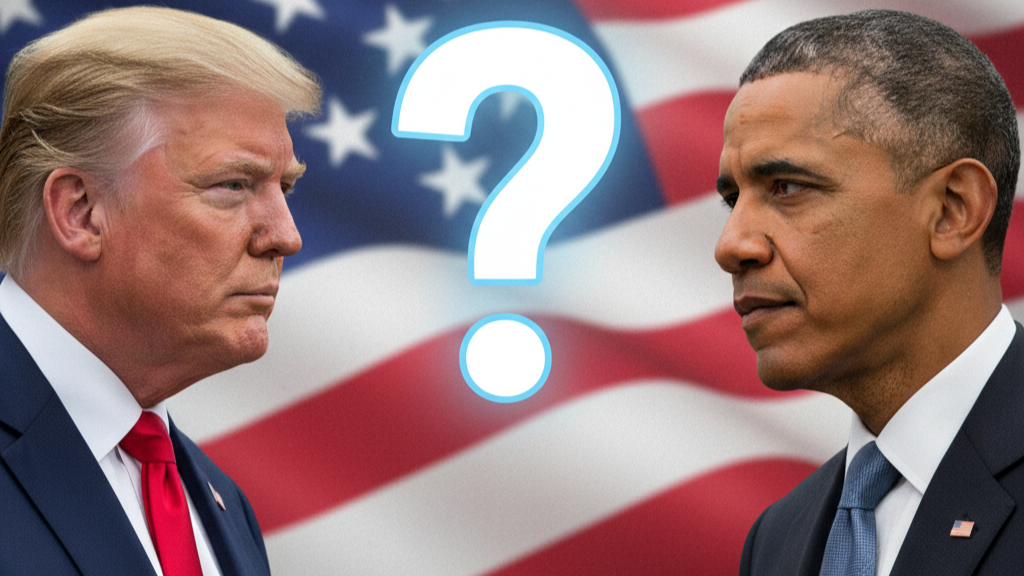
Donald Trump and Barack Obama are two of the most defining figures in modern American history — not just because of what they did, but because of what they represent.
One built bridges; the other built walls — metaphorically and literally.
One championed unity through diplomacy; the other, strength through disruption.
Both reshaped the U.S. and the world in their own ways — leaving legacies that continue to collide in politics, society, and global order.
This is not just a comparison of two presidents — it’s a reflection of two very different futures for America and humanity.
1. Economic Vision: Stability vs Shockwave
Barack Obama’s Economy:
When Obama took office in 2009, America was in crisis. Through the Recovery Act, bank reforms, and steady economic management, he restored stability and rebuilt confidence.
His strategy was cautious but consistent — reviving jobs, lowering unemployment, and modernising industries through clean energy and tech investment.
Donald Trump’s Economy:
Trump entered a recovering economy and doubled down with tax cuts, deregulation, and an aggressive “America First” trade policy. The result? Rapid short-term growth, record stock market highs, and revived industrial sectors.
However, his approach also deepened inequality, ballooned national debt, and triggered trade wars that hit global stability.
Verdict: Obama built resilience; Trump engineered a boom. One was slow but sustainable, the other fast but fragile.
2. Healthcare and People-First Policies
Obama’s Vision:
Obama believed healthcare was a right, not a privilege. The Affordable Care Act (ACA) transformed U.S. healthcare — expanding coverage for millions and protecting people with pre-existing conditions.
Trump’s Response:
Trump’s administration made multiple attempts to dismantle Obamacare, prioritising private market freedom over federal healthcare guarantees. While he pushed for drug pricing reform, his overall approach reduced protections for lower-income groups.
Verdict: Obama sought inclusion; Trump sought independence. Obama’s reforms humanised the system — Trump’s changes favoured market dynamics.
3. Leadership Style: Diplomacy vs Disruption
Obama – The Global Diplomat:
Obama led through consensus. His calm, intellectual, and inclusive approach built trust with allies and inspired a new global order based on collaboration.
He focused on diplomacy — leading climate pacts, reopening relations with Cuba, and advocating multilateralism.
Trump – The Disruptor-in-Chief:
Trump replaced diplomacy with deal-making. His “America First” strategy prioritised national power and transactional relationships. He challenged NATO, imposed tariffs, and withdrew from major international agreements.
While this projected strength, it also alienated allies and weakened America’s moral authority.
Verdict: Obama earned respect; Trump demanded it. The difference? One built alliances — the other tested them.
4. Climate and the Environment
Obama’s Climate Legacy:
Obama made climate change a global priority — leading the Paris Agreement, promoting renewable energy, and investing in sustainable innovation.
Trump’s Environmental Reversal:
Trump withdrew from the Paris Accord, expanded fossil fuel production, and dismantled key environmental regulations — arguing they hurt U.S. jobs.
His policies favoured short-term economic gains but risked long-term planetary stability.
Verdict: Obama thought about the planet’s future; Trump thought about quarterly profits. Obama’s path was sustainable — Trump’s was combustible.
5. Social Values and Inclusion
Obama’s America:
Equality and inclusion were central to Obama’s leadership. He legalised same-sex marriage, repealed “Don’t Ask, Don’t Tell,” and advanced gender equality and racial justice. His presidency symbolised progress — the idea that America could truly be for everyone.
Trump’s America:
Trump energised a different America — one focused on nationalism, border control, and cultural identity. His rhetoric often deepened racial divides and undermined democratic norms. While he represented the frustrations of forgotten workers, his tone alienated minorities and international partners.
Verdict: Obama unified; Trump polarised. Obama lifted ideals — Trump amplified divisions.
6. Global Impact and Foreign Policy
Obama’s Approach:
Obama’s leadership style was rooted in cooperation. From the Iran Nuclear Deal to the Paris Climate Pact, his administration used soft power to achieve strategic goals.
He believed in leading through moral example, investing in diplomacy rather than domination.
Trump’s Approach:
Trump preferred assertive unilateralism — trade wars, sanctions, and military threats. His Abraham Accords were a major diplomatic win, but his withdrawal from international pacts fractured global cohesion.
Verdict: Obama shaped the world order; Trump shook it. The former led with empathy, the latter with ego.
7. Vision for the Future
Obama’s Legacy Continues:
Through the Obama Foundation, he continues to inspire young leaders worldwide, advocating for climate action, democracy, and ethical technology. His mission is to prepare the next generation for global challenges.
Trump’s Vision Ahead:
Trump’s comeback narrative focuses on nationalism — reducing immigration, expanding domestic industries, and reinforcing American sovereignty. His message: strength through independence, not cooperation.
Verdict: Obama invests in the next century; Trump fights for the next election.
8. Impact on People and the World
Under Obama:
- Healthcare expanded.
- America regained respect.
- Climate action gained global traction.
- Youth and minorities found representation.
Under Trump:
- Economy surged but inequality grew.
- International relations fractured.
- Climate progress reversed.
- Political polarisation deepened.
Verdict: Obama built bridges; Trump burned some.
9. The Philosophical Divide
At their core, Obama and Trump represent two different philosophies of power:
- Obama: Empathy, inclusion, and the belief that leadership means listening.
- Trump: Strength, dominance, and the belief that leadership means control.
Obama’s leadership was about connecting people. Trump’s was about confronting systems.
Both left their mark — but only one expanded the idea of what America could mean to the world.
Conclusion: Why Obama Is Better Than Trump
When history looks back, it won’t just measure economic graphs or policy lists — it will measure impact on humanity.
Barack Obama’s presidency was about uniting, healing, and inspiring. He brought dignity, reason, and a global conscience to leadership. His decisions strengthened alliances, advanced equality, and addressed the planet’s greatest threats.
Donald Trump, though bold and disruptive, led with division, short-termism, and personal branding over collective progress. His leadership energised but also destabilised — both at home and abroad.
Obama believed in progress for all. Trump believed in power for some.
And that’s the difference between leadership and self-interest — between legacy and chaos.