
Introduction
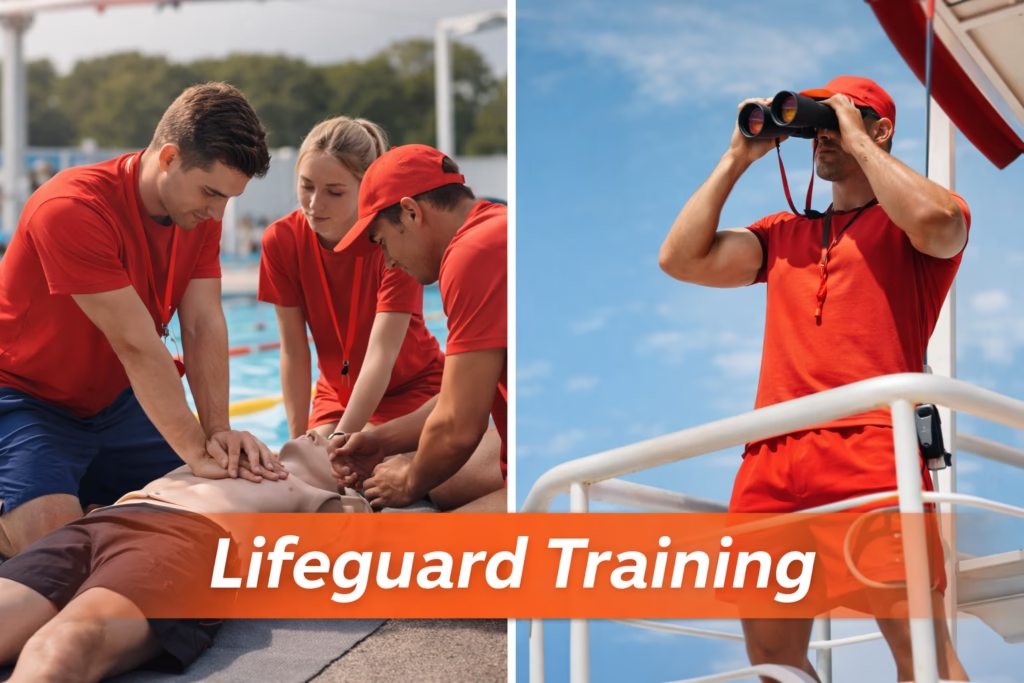
Lifeguard training is more than just learning how to swim well—it is a structured and essential program designed to prepare individuals to protect lives in aquatic environments. From swimming pools to beaches and water parks, lifeguards play a critical role in ensuring safety and responding effectively to emergencies. Professional programs like American Lifeguard Training are dedicated to developing highly skilled, confident, and responsible lifeguards who can handle a wide range of situations.
- Introduction
- The Importance of Lifeguard Training
- Physical Fitness and Endurance
- Rescue Techniques and Water Skills
- First Aid and Emergency Response
- Communication and Teamwork
- Decision-Making and Situational Awareness
- Professionalism and Responsibility
- Adapting to Different Environments
- Personal Growth and Career Opportunities
- Certification and Ongoing Training
- Conclusion
The Importance of Lifeguard Training
Drowning remains one of the leading causes of accidental death worldwide, making lifeguard training an essential service. A trained lifeguard is not only a rescuer but also a vigilant observer who works to prevent incidents before they happen. American Lifeguard Training focuses on building awareness, teaching candidates how to recognize early signs of distress, and ensuring they are prepared to act immediately.
Prevention is always the first priority. Lifeguards are trained to monitor swimmers, enforce rules, and maintain a safe environment. By identifying risks early, they can often stop dangerous situations from escalating into emergencies.
Physical Fitness and Endurance
A lifeguard’s role demands excellent physical condition. Strength, stamina, and swimming proficiency are fundamental requirements. Training programs include timed swimming tests, endurance drills, and rescue simulations that mimic real-life scenarios.
American Lifeguard Training emphasizes physical readiness through structured assessments and continuous practice. Candidates are trained to swim long distances, perform deep-water rescues, and tow victims safely to shore. These skills ensure that lifeguards can respond quickly and efficiently when every second counts.
Rescue Techniques and Water Skills
One of the most critical aspects of lifeguard training is mastering rescue techniques. Lifeguards must know how to approach victims safely without putting themselves at risk. Different situations require different responses, such as assisting a panicked swimmer, rescuing an unconscious person, or managing spinal injuries.
Through hands-on training, American Lifeguard Training teaches a variety of rescue methods, including active and passive victim rescues, use of rescue equipment, and safe extraction techniques. Repetition and real-world simulations help trainees build confidence and develop muscle memory.
First Aid and Emergency Response
Lifeguards are often the first responders in emergencies, making first aid training a crucial component of their education. This includes CPR (cardiopulmonary resuscitation), AED (automated external defibrillator) use, and treatment for injuries such as cuts, fractures, and heat-related illnesses.
American Lifeguard Training ensures that all participants receive up-to-date certifications in these life-saving techniques. The program aligns with current health standards, equipping lifeguards to respond effectively to both water-related and general medical emergencies.
Communication and Teamwork
Effective communication is essential for lifeguards, especially when working in teams. Lifeguards must coordinate their efforts, maintain clear surveillance zones, and respond quickly during emergencies. Strong teamwork can significantly improve response times and outcomes.
American Lifeguard Training incorporates team-based exercises into its curriculum, helping trainees develop communication skills and learn how to work together under pressure. These skills are vital in ensuring smooth operations and maintaining a safe environment.
Decision-Making and Situational Awareness
Lifeguards often face high-pressure situations that require quick thinking and sound judgment. The ability to assess a situation and act decisively can save lives. Training programs focus on developing situational awareness and critical thinking skills.
Through scenario-based learning, American Lifeguard Training prepares candidates to handle emergencies with confidence. Trainees learn to evaluate risks, prioritize actions, and remain calm even in stressful conditions.
Professionalism and Responsibility
Being a lifeguard comes with a high level of responsibility. Lifeguards are entrusted with the safety of others, and their actions can have life-or-death consequences. Professional behavior, attentiveness, and adherence to safety protocols are essential qualities.
American Lifeguard Training instills these values in its participants, emphasizing the importance of discipline, reliability, and accountability. Lifeguards are trained to maintain focus at all times and to take their role seriously.
Adapting to Different Environments
Different aquatic environments present unique challenges. Lifeguards at pools deal with crowded conditions and facility rules, while beach lifeguards must handle waves, currents, and changing weather conditions.
American Lifeguard Training offers versatile programs that prepare candidates for various settings. This adaptability ensures that lifeguards can apply their skills effectively, regardless of the environment.
Personal Growth and Career Opportunities
Lifeguard training not only prepares individuals for a job but also contributes to personal development. Participants gain confidence, leadership skills, and the ability to remain calm under pressure. These qualities are valuable in many areas of life and can open doors to future career opportunities in safety, emergency services, and recreation management.
American Lifeguard Training supports this growth by providing a comprehensive learning experience that extends beyond technical skills.
Certification and Ongoing Training
Upon completing a lifeguard training program, candidates receive certification that qualifies them to work professionally. However, lifeguards must continue to update their skills through recertification and ongoing practice.
American Lifeguard Training offers continued education and recertification programs to ensure that lifeguards remain up-to-date with the latest safety standards and techniques.
Conclusion
Lifeguard training is a critical investment in safety, combining physical fitness, technical knowledge, and strong character development. It prepares individuals to prevent accidents, respond to emergencies, and save lives.
With its commitment to excellence and innovation, American Lifeguard Training stands out as a trusted provider of lifeguard education. By equipping individuals with essential skills and fostering a culture of responsibility, the company plays a vital role in making aquatic environments safer for everyone.