|
Getting your Trinity Audio player ready...
|
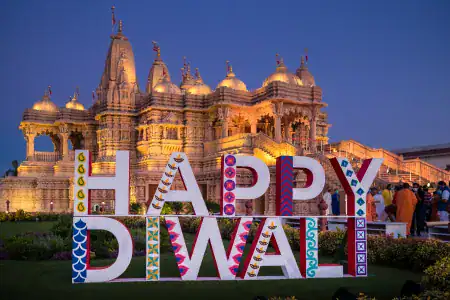
On October 6, 2025, Governor Gavin Newsom signed Assembly Bill 268 into law, officially recognizing Diwali as a state holiday in California. This landmark move celebrates the rich cultural heritage of the Indian diaspora and reflects the state’s ongoing commitment to diversity and inclusion.
Under the new law, public schools and community colleges may close for Diwali, and state employees will have the option to take the day as paid leave. The bill passed with broad bipartisan support, showcasing unity in honoring the festival of lights.
Assemblymember Ash Kalra, who authored the bill, described the recognition as more than just a calendar change — it’s a symbolic acknowledgment of the values Diwali represents: hope over despair, light over darkness, and community over division.
Why This Recognition Matters
While this move may seem largely symbolic, it carries profound meaning for millions of Indian Americans and South Asians in California.
Here’s why it matters:
- Validation of Identity: For many families, the state’s acknowledgment reinforces that their culture and traditions are valued.
- Cultural Inclusion: Recognizing Diwali helps foster inclusivity in schools and workplaces, creating space for diverse celebrations.
- Inspiration for Other States: California’s decision sets a precedent that may encourage other states to follow suit.
Even though the holiday is optional, it reflects a careful balance — honoring cultural diversity while maintaining flexibility for public institutions and workplaces.
Challenges and Considerations
Despite the enthusiasm, there are some practical considerations and potential challenges ahead:
- Limited Reach of Optional Leave: Employees might feel reluctant to take leave if not universally observed.
- School Logistics: Districts with mixed demographics must decide whether to close or remain open on Diwali.
- Political Backlash: Critics may frame this as favoring one religion, making public communication crucial.
- Demand for Equal Recognition: Other cultural or religious communities may seek similar recognition in the future.
These challenges highlight the importance of thoughtful implementation and continued dialogue between communities and policymakers.
Broader Implications for Multicultural America
California’s decision is more than symbolic — it represents a growing shift in how multicultural societies recognize diversity through policy.
- Cultural Representation in Governance: Legislation like this embeds minority representation into the public framework.
- Empowered Diaspora Voices: Lawmakers of Indian origin are now shaping policies that celebrate their heritage.
- Inclusive Identity Building: The move reinforces California’s reputation as a progressive, inclusive state that values all communities equally.
Impact on the Indian Diaspora
For Indian-origin communities in the U.S. and around the world, this moment is deeply emotional. It symbolizes acceptance and pride — a recognition that Indian culture and traditions are part of America’s shared story.
It also underscores the power of community advocacy, showing how cultural organizations and elected representatives can turn cultural recognition into formal policy.
A Festival That Shines Beyond Borders
By officially recognizing Diwali, California has sent a strong message — that diversity isn’t just celebrated in words, but embedded in law.
This is a win not just for Indian Americans, but for every community striving to see its culture reflected in public life.
In a world often divided, Diwali’s message of light triumphing over darkness feels more relevant than ever — and now, it’s shining officially across California.