|
Getting your Trinity Audio player ready...
|
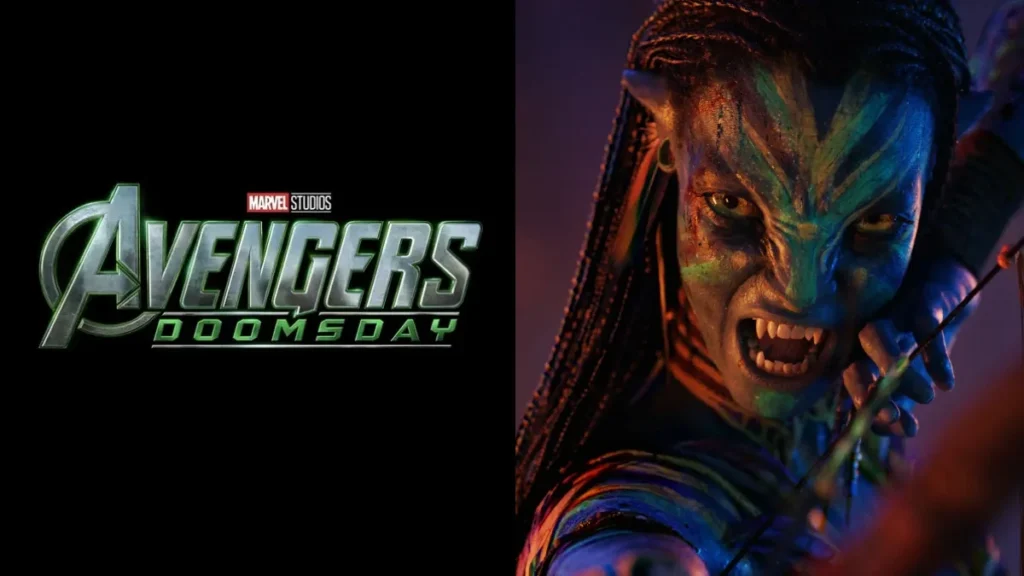
Marvel Studios once again found itself at the centre of fan debate after the Avengers: Doomsday trailer failed to play before Avatar screenings in several theatres. What was expected to be a historic cinematic moment quickly turned into frustration, confusion, and online backlash. For many fans, this wasn’t just about a missing trailer — it was about broken expectations and questionable marketing decisions.
What Fans Were Expecting
With Avatar: Fire and Ash drawing massive crowds globally, fans assumed Marvel would capitalise on the moment by attaching the first teaser of Avengers: Doomsday to the film. The logic seemed obvious. Avatar audiences overlap heavily with Marvel’s fanbase, and a big-screen teaser would have amplified excitement for the next Avengers chapter.
In the days leading up to the screenings, social media buzz and insider chatter had convinced many moviegoers that the Doomsday trailer would debut exclusively in theatres. Some fans even booked tickets specifically to witness the trailer on the big screen, treating it as a once-in-a-lifetime cinematic reveal.
What Actually Happened
Instead of the promised or expected teaser, many screenings went ahead without any sign of Avengers: Doomsday. The absence was not uniform — some regions reportedly showed brief teaser material, while others showed nothing at all. This inconsistency added fuel to the fire, leaving fans confused about whether the trailer rollout was delayed, restricted, or quietly cancelled.
The lack of official communication from Marvel only worsened the situation. Without clarity, rumours filled the gap, and disappointment quickly turned into anger for fans who felt misled.
Fan Reactions: From Excitement to Frustration
The reaction online was swift and emotional. Fans voiced their displeasure across platforms, questioning why Marvel would allow such expectations to build without managing them properly. Many felt the studio underestimated how invested audiences are in the Avengers franchise.
Some reactions focused on the money and effort spent just to see the trailer, while others criticised Marvel for creating artificial hype without delivering. For a franchise built on fan loyalty, the backlash highlighted a growing sensitivity among audiences who no longer tolerate vague or misleading promotional tactics.
Marvel’s Multi-Trailer Strategy
Behind the scenes, reports suggest Marvel is experimenting with a staggered teaser strategy. Instead of releasing a single universal trailer, multiple teaser versions may be rotating through select theatres over several weeks. While innovative on paper, this approach has risks.
A staggered rollout can work only when communication is clear. In this case, the lack of transparency created uneven experiences. Some fans felt privileged, while others felt excluded. In an era where content travels instantly online, selective exclusivity often feels outdated rather than exciting.
Why This Matters for Marvel
Marvel is no longer operating in its peak, untouchable phase. Audience expectations are higher, patience is lower, and competition for attention is fierce. Small missteps now attract outsized reactions, especially when they involve flagship properties like the Avengers.
Avengers: Doomsday is expected to reset the franchise and restore confidence after mixed responses to recent MCU projects. That makes the first trailer even more important. A disappointing rollout risks overshadowing the film’s narrative and cast long before its release.
The Bigger Marketing Problem
This situation reflects a broader issue in modern film marketing. Studios often rely on controlled leaks, insider buzz, and exclusivity to build hype. However, when expectations are not met, the same hype machine turns hostile.
Fans today want clarity. If a trailer is limited to certain locations or dates, they expect upfront communication. Silence is no longer neutral — it is interpreted as indifference or manipulation.
Will This Impact Avengers Doomsday?
In the short term, the controversy has undeniably increased attention around Avengers: Doomsday. However, attention does not always equal goodwill. Marvel now faces the challenge of regaining trust and shifting the conversation back to excitement.
The eventual online release of the trailer is likely to attract massive views regardless. The real question is whether fans will approach it with enthusiasm or scepticism.
What Marvel Should Do Next
Marvel needs to simplify its approach. A clear, global trailer release with consistent messaging would instantly reset fan sentiment. Transparency, even if it means admitting a delay or strategy change, would go a long way.
The Avengers brand thrives on shared experiences. When fans feel left out of that experience, it weakens the emotional connection that made the franchise successful in the first place.
Conclusion
The absence of the Avengers: Doomsday trailer from Avatar screenings may seem like a small issue, but it highlights a growing gap between studios and audiences. Fans don’t just want content — they want honesty, respect, and consistency.
As Marvel moves closer to unveiling the next phase of the Avengers saga, how it handles moments like this will shape not just hype, but long-term loyalty. One thing is certain: when the Doomsday trailer finally drops, the world will be watching — and judging.