
|
Getting your Trinity Audio player ready...
|
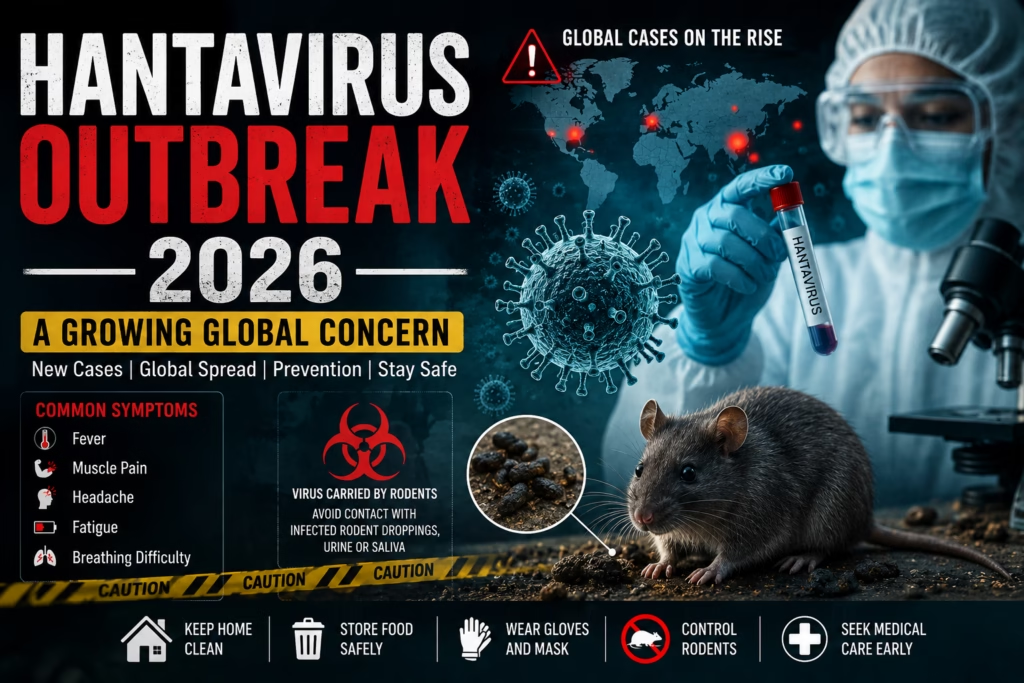
The global health community is closely monitoring the rise in hantavirus cases after several countries reported new infections in 2026. Recent reports connected to international travel and cruise ship exposure have increased public attention toward the virus, raising concerns about possible future outbreaks.
Although this virus is not a new disease, growing cases in different regions have once again highlighted the importance of public health awareness, sanitation, and disease prevention. Health organizations across the world are now actively monitoring the situation to prevent wider spread and panic.
Unlike highly contagious respiratory viruses, hantavirus mainly spreads through contact with infected rodents or their droppings. However, the disease can become life-threatening if not diagnosed and treated early.
What Is Hantavirus?
Hantavirus is a group of viruses primarily carried by rodents. Humans can become infected when they come into contact with infected rodent urine, saliva, or droppings.
The virus can lead to serious illnesses such as:
- Hantavirus Pulmonary Syndrome (HPS)
- Hemorrhagic Fever with Renal Syndrome (HFRS)
Both conditions can become dangerous if medical treatment is delayed.
How Does it Spread?
Hantavirus does not usually spread easily from person to person. Most infections happen through exposure to contaminated environments.
Common Ways the Virus Spreads
- Breathing air contaminated with rodent droppings
- Touching contaminated surfaces
- Consuming contaminated food
- Rodent bites in rare cases
People cleaning abandoned buildings, warehouses, farms, or poorly maintained areas may face higher exposure risks.
Symptoms
Symptoms usually appear one to eight weeks after exposure to the virus. Early symptoms often resemble flu-like illnesses, which makes early diagnosis difficult.
Early Symptoms
- Fever
- Fatigue
- Muscle pain
- Headache
- Chills
- Dizziness
As the illness progresses, patients may experience:
- Severe breathing difficulty
- Chest tightness
- Low blood pressure
- Kidney complications
Countries Reporting Hantavirus Cases
Hantavirus cases have historically appeared in several parts of the world.
Regions Commonly Affected
- United States
- Argentina
- Chile
- China
- South Korea
- Parts of Europe
Recent attention has focused on South America and international travel-linked cases reported in 2026.
Is Hantavirus Dangerous?
Yes, hantavirus can become extremely dangerous if untreated. Certain forms of the virus have high fatality rates, especially when patients develop severe lung complications.
However, early medical care significantly improves survival chances.
Unlike COVID-19, hantavirus is not considered highly contagious between humans in most cases. This reduces the risk of large-scale global transmission.
How Doctors Diagnose Hantavirus
Doctors diagnose hantavirus using:
- Blood tests
- Patient symptom history
- Exposure history to rodents or contaminated areas
- Lung imaging in severe respiratory cases
Early diagnosis remains critical because symptoms can worsen rapidly.
Is There a Cure or Vaccine?
Currently, there is no specific cure or universally approved vaccine for hantavirus in many countries.
Treatment mainly focuses on supportive medical care, including:
- Oxygen therapy
- Intensive care support
- Fluid management
- Respiratory assistance
Patients diagnosed early usually have better recovery outcomes.
How to Prevent Hantavirus Infection
Prevention mainly involves avoiding exposure to rodents and contaminated environments.
Important Prevention Tips
1. Keep Homes and Surroundings Clean
Proper sanitation helps reduce rodent activity around homes and workplaces.
2. Seal Entry Points
Close small holes and cracks where rodents may enter buildings.
3. Avoid Direct Contact With Rodent Waste
Never sweep or vacuum dry rodent droppings directly, as this can spread contaminated particles into the air.
4. Use Protective Equipment
Wear gloves and masks while cleaning potentially contaminated areas.
5. Store Food Properly
Rodents are attracted to exposed food sources.
Environmental Factors and Climate Change
Scientists are also studying the possible connection between climate change and rising hantavirus cases.
Environmental changes may contribute to:
- Increased rodent populations
- Habitat shifts
- Greater human-wildlife interaction
- Food shortages affecting rodent behavior
Warmer temperatures and changing rainfall patterns can influence disease transmission patterns globally.
Global Health Response
Health agencies around the world are monitoring the situation carefully to prevent unnecessary panic while increasing public awareness.
Governments and international organizations are focusing on:
- Disease surveillance
- Public awareness campaigns
- Rodent control programs
- Travel health monitoring
- Rapid diagnosis systems
The goal is to contain outbreaks quickly before cases increase significantly.
Social Media and Public Fear
Like many health-related topics, hantavirus has become widely discussed on social media platforms. However, experts warn people against spreading misinformation or panic.
Many online posts incorrectly compare hantavirus to global pandemic-level threats. Health officials emphasize that virus spreads differently and currently does not pose the same level of global transmission risk.
Accurate information and responsible reporting remain extremely important.
Future Outlook
Experts believe hantavirus cases may continue appearing in different regions due to environmental and ecological changes. However, proper public awareness and preventive measures can greatly reduce infection risks.
Continued monitoring by global health agencies will help track future developments and improve response systems.
Conclusion
The rise in hantavirus cases globally in 2026 has once again reminded the world about the importance of public health awareness and disease prevention. While the virus can be dangerous, it is not easily spread between humans in most situations.
Simple preventive measures such as maintaining cleanliness, controlling rodent exposure, and seeking early medical attention can significantly reduce risks.
As health authorities continue monitoring the outbreak, staying informed through reliable information remains the best way to avoid panic and protect public health.
FAQs
What causes hantavirus?
Hantavirus is caused by viruses carried mainly by infected rodents.
How does hantavirus spread to humans?
The virus spreads through contact with rodent urine, droppings, saliva, or contaminated air particles.
Is hantavirus contagious between humans?
In most cases, hantavirus does not spread easily from person to person.
What are the first symptoms of hantavirus?
Early symptoms include fever, fatigue, muscle pain, headache, and chills.
Is there a vaccine for hantavirus?
Currently, there is no widely approved vaccine available for virus in many countries.