|
Getting your Trinity Audio player ready...
|
The search for a cancer cure has been one of the biggest challenges in medical history. For decades, scientists, doctors, and researchers across the world have worked tirelessly to understand how cancer develops and how it can be treated more effectively. While cancer is not a single disease, progress in medical science has significantly improved survival rates and quality of life for patients.
Today, cancer treatment is no longer limited to a single approach. Advances in research, early diagnosis, and personalized therapies have changed how this disease is managed. Although a universal solution does not yet exist, many types of cancer can now be controlled, treated successfully, or pushed into long-term remission.
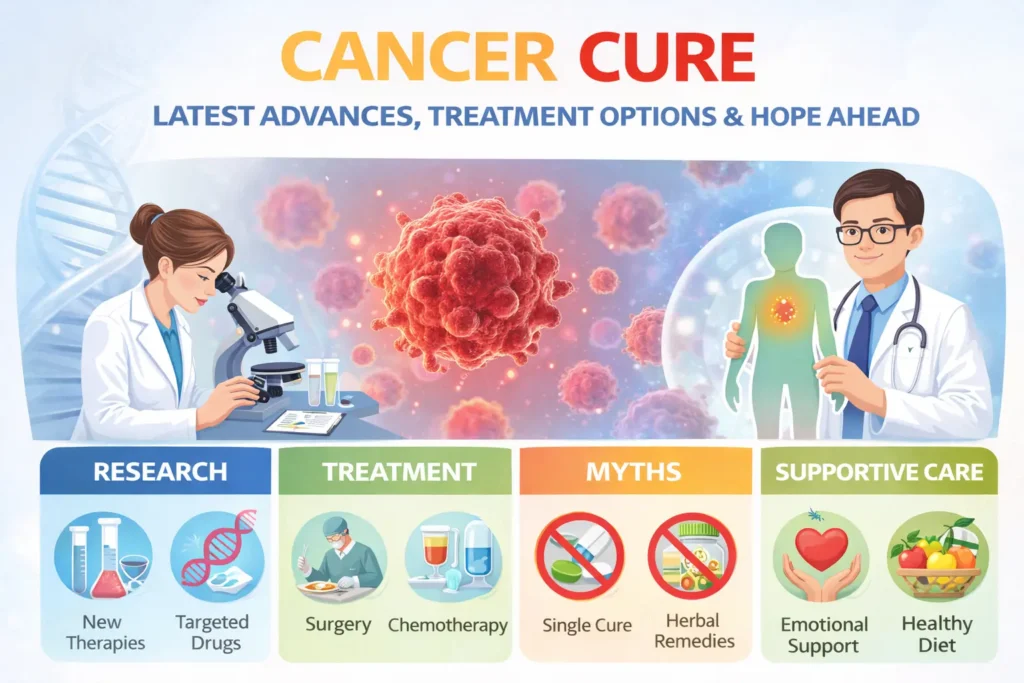
This blog explains current medical understanding, symptoms, research progress, treatment methods, myths, supportive home care, and frequently asked questions surrounding cancer management and recovery.
- Understanding Cancer
- Common Symptoms of Cancer
- Causes and Risk Factors
- Rumors and Myths About Cancer Cure
- What Medical Research Says
- Is There a Cancer Cure?
- Medical Treatment Options
- Supportive Home Care and Natural Practices
- Prevention and Risk Reduction
- Emotional and Psychological Impact
- Frequently Asked Questions (FAQs)
- Conclusion
Understanding Cancer
Cancer occurs when abnormal cells begin to grow uncontrollably, ignoring the body’s natural signals that regulate cell growth and death. These cells can form tumors or spread through the blood and lymphatic systems to other parts of the body.
Each cancer type behaves differently. Some grow slowly and respond well to treatment, while others are more aggressive. This is why treatment plans are personalized rather than uniform.
Common Symptoms of Cancer
Symptoms vary depending on the type, location, and stage of cancer. In many cases, early-stage cancer shows minimal or no symptoms.
Early Symptoms
- Unexplained weight loss
- Persistent fatigue
- Loss of appetite
- Fever without infection
- Night sweats
Physical Warning Signs
- Lumps or swelling
- Changes in skin appearance
- Unusual bleeding
- Persistent pain
- Changes in bowel or bladder habits
Advanced Symptoms
- Chronic pain
- Shortness of breath
- Persistent cough
- Bone pain
- Neurological changes
Early detection remains one of the most effective tools in improving outcomes.
Causes and Risk Factors
Cancer usually develops due to a combination of factors rather than a single cause.
Major Risk Factors
- Tobacco use
- Alcohol consumption
- Poor dietary habits
- Obesity
- Lack of physical activity
- Environmental toxins
- Radiation exposure
- Chronic inflammation
- Genetic mutations
Reducing exposure to known risks can lower the chances of developing certain cancers.
Rumors and Myths About Cancer Cure
Myth 1: A single medicine can cure all cancers
False. Cancer varies widely, and treatment depends on its type and stage.
Myth 2: Cancer always returns after treatment
False. Many people live cancer-free after successful treatment.
Myth 3: Surgery spreads cancer
False. Surgery is a standard and safe medical practice.
Myth 4: Natural remedies alone can eliminate cancer
False. Natural methods support health but cannot replace medical care.
Myth 5: Cancer means life is over
False. Many patients live long, fulfilling lives after treatment.
What Medical Research Says
Modern cancer research focuses on understanding cancer at the genetic and molecular level. Instead of attacking all fast-growing cells, newer treatments aim to target cancer cells specifically.
Key Areas of Progress
- Immunotherapy that helps the immune system recognize cancer cells
- Targeted therapies that attack specific genetic mutations
- Personalized treatment based on tumor profiling
- Improved radiation techniques with fewer side effects
- Early detection through advanced screening methods
These advancements have significantly improved patient outcomes.
Is There a Cancer Cure?
There is no single universal solution that works for every type of cancer. However, many cancers can now be cured, controlled, or managed effectively depending on early diagnosis and response to treatment.
In some cases, complete remission is achieved, meaning no detectable cancer remains. In other cases, cancer is managed as a long-term condition with ongoing treatment.
Medical experts focus on long-term survival, quality of life, and preventing recurrence rather than using a one-size-fits-all definition of cure.
Medical Treatment Options
Common Treatment Methods
Surgery
Removes cancerous tissue when localized.
Chemotherapy
Uses drugs to destroy rapidly dividing cells.
Radiation Therapy
Targets cells using high-energy rays.
Immunotherapy
Boosts the body’s immune response against.
Targeted Therapy
Attacks specific molecules involved in growth.
Hormone Therapy
Used for hormone-sensitive cancers.
Many patients receive a combination of these treatments.
Supportive Home Care and Natural Practices
Home-based care does not replace medical treatment, but it plays a vital role in recovery and comfort.
Supportive Practices
- Balanced nutrition
- Proper hydration
- Gentle physical activity
- Adequate rest
- Stress management
Natural Support Methods
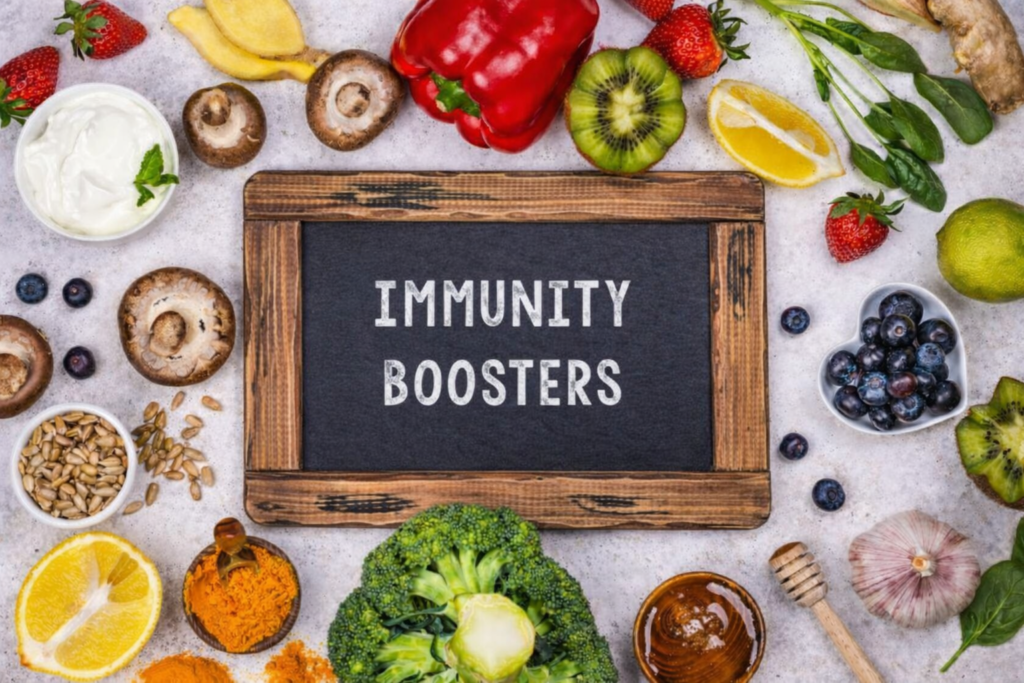
- Eating antioxidant-rich foods
- Maintaining a regular routine
- Mindfulness and relaxation practices
- Emotional support from family and counselors
These approaches help strengthen the body and mind during treatment.
Prevention and Risk Reduction
- Avoid tobacco
- Limit alcohol consumption
- Maintain healthy weight
- Eat nutrient-rich foods
- Stay physically active
- Protect skin from excessive sun exposure
- Get regular health screenings
Prevention and early detection remain powerful tools.
Emotional and Psychological Impact
Cancer affects mental health as much as physical health. Anxiety, fear, depression, and uncertainty are common experiences.
Emotional support, counseling, and strong social connections improve coping ability and overall recovery.
Frequently Asked Questions (FAQs)
Can cancer be completely cured?
Some cancers can be cured, especially when detected early.
Does cancer treatment always cause severe side effects?
Side effects vary and are better managed today than in the past.
Can lifestyle changes help recovery?
Yes, healthy habits support treatment and long-term health.
Is cancer hereditary?
Some cancers have genetic links, but most are influenced by lifestyle and environment.
Can cancer come back after treatment?
Recurrence is possible, which is why follow-up care is essential.
Conclusion
The journey toward a reliable cancer cure continues, guided by science, research, and medical innovation. While no universal solution exists yet, progress has transformed cancer from a fatal diagnosis into a manageable and often treatable condition for many people.
Awareness, early detection, evidence-based treatment, and supportive care together form the strongest path forward. Hope today is grounded not in myths, but in ongoing medical advancements and informed healthcare choices.