|
Getting your Trinity Audio player ready...
|
Maintaining stable blood sugar levels is essential for overall health. While most people think blood sugar issues only affect diabetics, the truth is that unstable glucose levels can impact anyone. Sudden sugar spikes and crashes lead to fatigue, hunger, mood swings, brain fog, weight gain, and long-term health complications.
The good news is that you don’t always need medication to manage your blood sugar. With the right food choices, eating habits, and lifestyle changes, your body can regulate glucose naturally.
This blog explains how blood sugar works, why it becomes unstable, and which natural foods help keep it balanced.
- How Blood Sugar Works in the Body
- Why Natural Blood Sugar Control Is Better
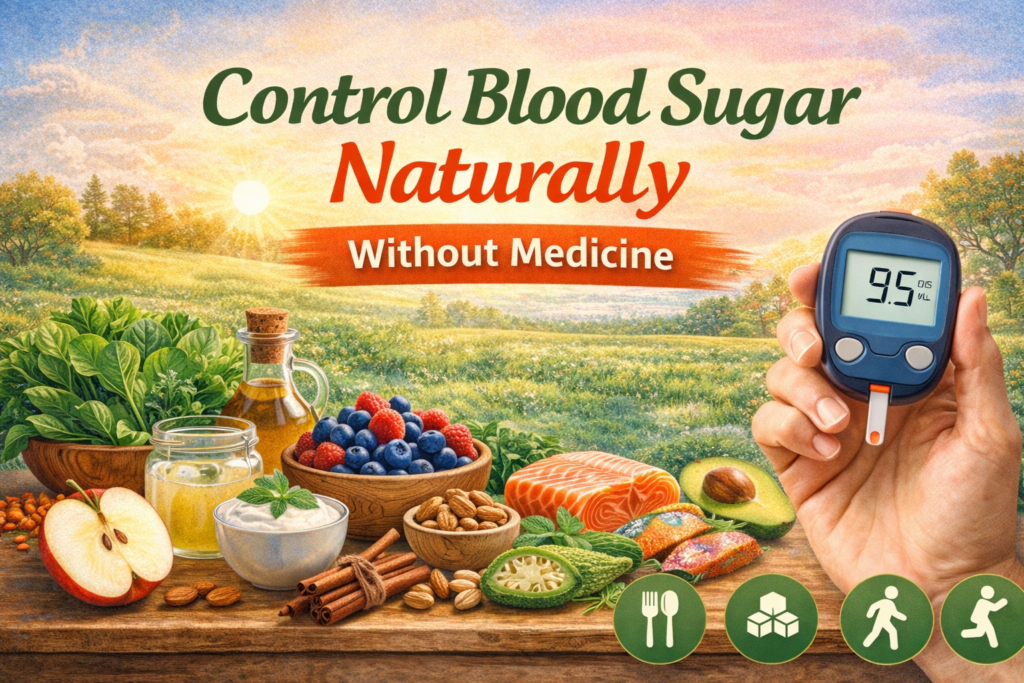
- Best Foods That Control Blood Sugar Naturally
- Foods You Must Avoid
- Eating Habits That Stabilize Blood Sugar
- Why Fiber Is Essential
- Protein Helps Balance Sugar
- Healthy Fats That Support Glucose Control
- Lifestyle Tips for Better Sugar Control
- Signs of Unstable Blood Sugar
- Myths About Controlling Blood Sugar Naturally
- Can Natural Approaches “Cure” High Blood Sugar?
- Treatment: How to Manage Blood Sugar Effectively
- Home Remedies & Supportive Practices
- What to Avoid
- Practical Daily Plan for Blood Sugar Support
- Frequently Asked Questions
- Final Thoughts
How Blood Sugar Works in the Body
When you eat carbohydrates, your body breaks them down into glucose. This glucose enters your bloodstream and becomes your primary energy source.
Your pancreas releases insulin, which helps move sugar from your blood into your cells. If your body does not use insulin properly or produces too little, sugar remains in your blood, leading to high blood sugar levels.
Over time, this can cause:
- Type 2 diabetes
- Heart disease
- Nerve damage
- Kidney problems
- Vision issues
That’s why controlling blood sugar naturally is so important.
Why Natural Blood Sugar Control Is Better
Medicines treat symptoms, but natural methods fix the root cause. When you use food as medicine, your body heals itself.
Natural control helps:
- Improve insulin sensitivity
- Reduce sugar cravings
- Prevent sudden spikes
- Improve digestion
- Increase energy
- Support long-term health
Best Foods That Control Blood Sugar Naturally
1. Leafy Green Vegetables
Spinach, kale, fenugreek leaves, and lettuce are rich in fiber, antioxidants, and magnesium.
Benefits:
- Slow sugar absorption
- Improve insulin response
- Reduce inflammation
2. Whole Grains
Whole grains digest slowly and prevent sugar spikes.
Best options:
- Oats
- Brown rice
- Millets
- Quinoa
- Barley
Benefits:
- Stable energy
- Improved digestion
- Longer fullness
3. Nuts and Seeds
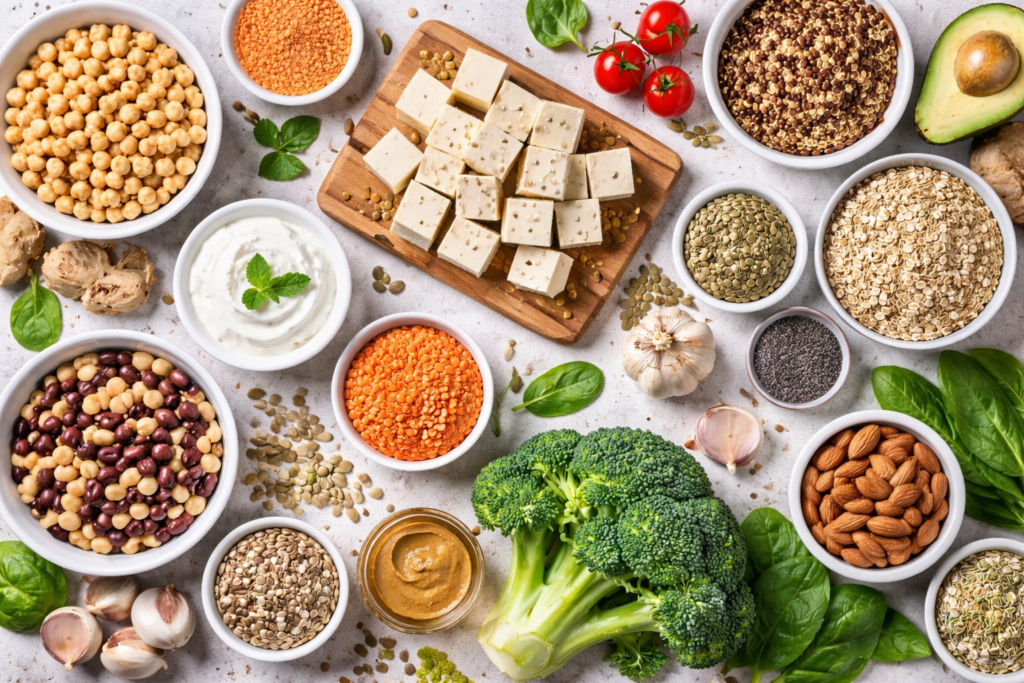
Nuts contain protein, fiber, and healthy fats.
Best choices:
- Almonds
- Walnuts
- Chia seeds
- Flaxseeds
- Pumpkin seeds
Benefits:
- Lower fasting sugar
- Control hunger
- Support heart health
4. Legumes and Pulses
Lentils, beans, and chickpeas are excellent for glucose control.
Benefits:
- Slow digestion
- Reduce sugar spikes
- Improve gut health
5. Low-Glycemic Fruits
Not all fruits raise sugar levels.
Best fruits:
- Apples
- Pears
- Berries
- Guava
- Kiwi
Benefits:
- Natural sweetness
- Fiber-rich
- Antioxidant support
6. Cinnamon
Cinnamon improves insulin sensitivity.
How to use:
- Add to tea
- Sprinkle on oats
- Mix in smoothies
Benefits:
- Lowers fasting sugar
- Reduces cravings
7. Apple Cider Vinegar
Slows carbohydrate digestion.
How to use:
- 1 tsp in warm water before meals
Benefits:
- Prevents sugar spikes
- Improves insulin function
8. Fatty Fish
Omega-3 fats improve metabolic health.
Best options:
- Salmon
- Sardines
- Tuna
Benefits:
- Reduce inflammation
- Support heart health
- Improve insulin sensitivity
9. Curd and Greek Yogurt
Healthy gut = better sugar control.
Benefits:
- Improve digestion
- Reduce inflammation
- Support metabolism
10. Bitter Gourd
A natural glucose-lowering food.
Benefits:
- Acts like insulin
- Improves sugar absorption
- Supports pancreas health
Foods You Must Avoid
These foods cause sudden sugar spikes:
- White sugar
- White bread
- Soft drinks
- Packaged snacks
- Bakery items
- Fried food
- Sugary cereals
- Fruit juices
Eating Habits That Stabilize Blood Sugar
- Eat at fixed times
- Avoid skipping meals
- Control portion size
- Chew slowly
- Avoid late-night heavy meals
- Drink enough water
Why Fiber Is Essential
Fiber slows digestion and glucose release.
High-fiber foods:
- Vegetables
- Fruits with skin
- Seeds
- Whole grains
- Legumes
Protein Helps Balance Sugar
Protein keeps you full and prevents spikes.
Best sources:
- Eggs
- Paneer
- Lentils
- Yogurt
- Nuts
Healthy Fats That Support Glucose Control
- Olive oil
- Coconut oil
- Avocado
- Nuts
- Seeds
Lifestyle Tips for Better Sugar Control
- Walk daily
- Exercise regularly
- Sleep 7–8 hours
- Reduce stress
- Stay hydrated
- Avoid smoking
Signs of Unstable Blood Sugar
- Sudden hunger
- Fatigue
- Headaches
- Dizziness
- Brain fog
- Mood swings
Myths About Controlling Blood Sugar Naturally
There are many misconceptions about natural blood sugar control that can mislead readers and delay effective management. Clarifying these helps people make informed decisions.
- Myth: Natural methods can cure diabetes instantly
- Reality: Natural approaches can support blood sugar control but do not cure diabetes. They work best as part of an overall health strategy that includes medical guidance.
- Myth: If sugar levels spike, it’s always due to eating sweets
Reality: Spikes can stem from stress, lack of sleep, infection, dehydration, or hormonal changes — not just sugar intake. - Myth: Drinking herbal teas alone will normalize blood sugar
Reality: Herbal teas may have supportive properties, but they must be paired with diet and lifestyle changes to be effective. - Myth: Only medication works for blood sugar control
Reality: Medications are important when prescribed, but lifestyle factors like diet, exercise, hydration, sleep, and stress management are equally critical. - Myth: Natural approaches require extreme diets
Reality: Sustainable, balanced eating is more effective long-term than extreme or restrictive diets.
Can Natural Approaches “Cure” High Blood Sugar?
It is important to define what “cure” means. In medical terms, most cases of high blood sugar related to metabolic conditions cannot be permanently cured through natural remedies alone. However:
- In cases of temporary high blood sugar caused by stress, poor sleep, dehydration, or an unbalanced meal, levels can return to normal naturally when the underlying cause is addressed.
- For many people with early-stage or mild insulin resistance, consistent lifestyle improvements can bring blood sugar into a healthy range without medication.
Thus, while natural approaches may not cure chronic metabolic conditions, they often significantly improve blood sugar control and overall health.
Treatment: How to Manage Blood Sugar Effectively
Managing blood sugar well typically involves a blend of strategies. Effective treatment should always be personalized with the guidance of a healthcare professional.
Medical Treatments
Even when focusing on natural control, medical oversight is important for many people. Medical treatments may include:
Monitoring Blood Sugar
Regular glucose checks help understand patterns and make informed decisions.
Medication or Insulin
When prescribed, medications like oral agents or insulin help the body use glucose more effectively.
Routine Checkups
Regular doctor visits help monitor other parameters like blood pressure, cholesterol, and kidney health.
Natural and Lifestyle-Based Treatments
Natural treatments can powerfully support overall glycemic control when applied consistently:
Balanced Nutrition
Eating a diet rich in fiber, lean protein, healthy fats, and low-glycemic carbohydrates supports stable blood sugar levels.
Regular Physical Activity
Movement helps cells become more sensitive to insulin and encourages glucose uptake without spikes.
Adequate Hydration
Water supports healthy metabolism and minimizes stress on the kidneys and blood vessels.
Quality Sleep
Poor sleep raises stress hormones, leading to higher blood sugar levels.
Stress Management
Chronic stress increases cortisol, which can raise glucose. Techniques like mindfulness, deep breathing, yoga, and meditation help blunt this response.
Home Remedies & Supportive Practices
Home remedies can be useful as part of a broader blood sugar control strategy. These methods support overall physiological balance but should not be used in place of prescribed treatment.
Dietary Home Practices
Portion Control
Smaller, balanced portions spaced throughout the day prevent large sugar swings.
Fiber-Rich Foods
Consuming foods such as oats, legumes, vegetables, and fruits slows glucose absorption.
Protein with Every Meal
Protein helps stabilize glucose and reduce hunger spikes.
Healthy Fats
Sources like nuts, seeds, and olive oil slow digestion and help maintain stable energy.
Supportive Habits
Morning Walking
Just 20–30 minutes of brisk walking daily has been shown to improve glucose management.
Interval Movement
Breaking up long periods of sitting with short walks or stretches helps metabolic health.
Mindful Eating
Avoiding distractions during meals helps with portion control and digestion.
Consistent Sleep Schedule
Going to bed and waking up at similar times supports hormone balance that influences sugar metabolism.
Herbal and Nutritional Support
Certain foods and spices have supportive roles when consumed as part of a balanced diet:
- Cinnamon — may help improve insulin sensitivity
- Fenugreek seeds — often used traditionally to support digestion
- Bitter gourd or green vegetables — nutrient-rich, low-glycemic foods
- Apple cider vinegar (small amounts before meals) — sometimes promotes slower glucose absorption
These should complement, not replace, overall dietary balance.
What to Avoid
While focusing on natural support, certain behaviors can consistently stress blood sugar regulation:
- Highly processed foods with refined carbs
- Sugary beverages and candies
- Frequent snacking without purpose
- Prolonged sitting or inactivity
- Chronic sleep deprivation
- Ignoring stress or emotional health
Avoiding these, combined with good habits, creates an environment where natural management works best.
Practical Daily Plan for Blood Sugar Support
A simple routine can help apply the principles above:
Morning
- Begin with hydration
- Light breakfast including protein and fiber
- Brief morning walk
Midday
- Balanced lunch
- Short walk after eating
- Hydration reminders
Evening
- Light dinner with vegetables and lean protein
- Unwind with relaxing activities
- Aim for 7–8 hours of quality sleep
Consistency with this plan allows natural mechanisms to support healthy glucose levels.
Frequently Asked Questions
Can natural methods replace medication?
Natural methods can help improve blood sugar, but medication should only be changed or stopped under medical supervision.
How fast can natural changes affect blood sugar?
Some improvements can be seen in weeks, but sustainable change takes consistency over months.
Is sugar the only cause of high blood sugar?
No. Stress, sleep, inflammation, inactivity, and hormones all influence glucose levels.
Can exercise alone control blood sugar?
Exercise is powerful, but it works best alongside diet, sleep, and stress management.
Do all natural remedies work for everyone?
Individual responses vary. Personalization and consistency matter most.
Final Thoughts
You don’t need extreme diets or expensive supplements to control blood sugar. Nature has already provided everything your body needs.
Eat whole foods, move your body, sleep well, and stay consistent. Small daily habits create big health changes.