|
Getting your Trinity Audio player ready...
|
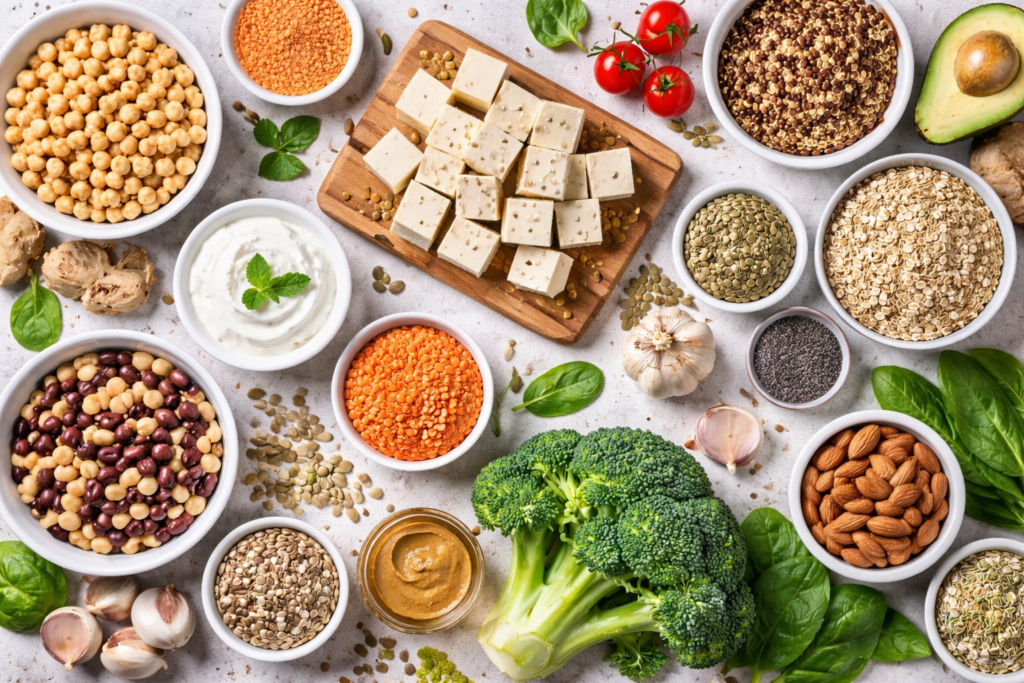
Protein is one of the most essential nutrients for the human body. It supports muscle growth, repairs tissues, strengthens immunity, balances hormones, and keeps you feeling full for longer. A common misconception is that protein mainly comes from meat, eggs, or fish. In reality, a well-planned vegetarian diet can provide more than enough protein to meet daily nutritional needs.
High-protein vegetarian foods are not only effective but also come with added benefits like fiber, antioxidants, and essential micronutrients. When chosen wisely, vegetarian protein sources support long-term health, weight management, and sustainable eating habits.
This blog explores the best high-protein vegetarian foods, their nutritional value, and how they fit into a balanced lifestyle — without focusing on any specific country or region.
Why Protein Is Important in a Vegetarian Diet
Protein is made up of amino acids, which are the building blocks of the body. Some amino acids must come from food, making daily protein intake crucial.
A high-protein vegetarian diet helps:
- Build and maintain muscle mass
- Improve metabolism and energy levels
- Support healthy hair, skin, and nails
- Strengthen immunity
- Control hunger and cravings
Contrary to myths, vegetarian diets can provide complete and high-quality protein when they include a variety of foods.
Legumes: The Foundation of Vegetarian Protein
Legumes are among the richest plant-based protein sources and form the backbone of vegetarian nutrition.
Lentils
Lentils are packed with protein, fiber, and iron. They are easy to digest and extremely versatile.
Benefits:
- High protein content per serving
- Supports heart health
- Helps maintain stable blood sugar levels
Chickpeas
Chickpeas are dense in protein and provide sustained energy.
Benefits:
- Rich in plant protein and fiber
- Supports digestive health
- Keeps you full for longer
Beans
Beans such as kidney beans, black beans, and white beans are excellent vegetarian protein sources.
Benefits:
- High protein and complex carbohydrates
- Rich in antioxidants
- Supports muscle recovery
Soy-Based Foods: Complete Plant Protein
Soy is one of the few plant foods that provides complete protein, meaning it contains all essential amino acids.
Tofu
Tofu is highly adaptable and absorbs flavors easily.
Benefits:
- High-quality protein
- Low in saturated fat
- Supports bone health
Tempeh
Tempeh is a fermented soy product with a firmer texture and higher protein content.
Benefits:
- High protein density
- Improved digestion due to fermentation
- Supports gut health
Soybeans
Whole soybeans are nutrient-dense and protein-rich.
Benefits:
- Rich in protein, fiber, and healthy fats
- Supports muscle building
- Provides long-lasting energy
Dairy and Dairy Alternatives (Vegetarian-Friendly)
For vegetarians who include dairy, it can be a powerful protein source.
Milk
Milk provides high-quality protein along with calcium and vitamin B12.
Benefits:
- Supports muscle repair
- Strengthens bones
- Improves satiety
Yogurt
Yogurt, especially thick varieties, offers a good protein boost.
Benefits:
- Supports gut health
- Enhances digestion
- Improves immunity
Paneer
Paneer is a concentrated protein source and ideal for muscle support.
Benefits:
- High protein per serving
- Rich in calcium
- Helps maintain muscle mass
Nuts and Seeds: Protein with Healthy Fats
Nuts and seeds are calorie-dense but nutrient-rich foods that provide protein along with healthy fats.
Almonds
Almonds are protein-rich and packed with antioxidants.
Benefits:
- Supports heart health
- Improves skin health
- Provides sustained energy
Peanuts
Peanuts are affordable and high in protein.
Benefits:
- Excellent protein-to-cost ratio
- Supports muscle strength
- Helps control hunger
Chia Seeds
Chia seeds contain protein, fiber, and omega fatty acids.
Benefits:
- Supports digestion
- Keeps you full longer
- Helps regulate blood sugar
Pumpkin and Sunflower Seeds
These seeds are rich in protein and essential minerals.
Benefits:
- High zinc and magnesium content
- Supports immunity
- Improves muscle recovery
Whole Grains: Often Overlooked Protein Sources
Whole grains are not just carbohydrates; many contain a surprising amount of protein.
Quinoa
Quinoa is a complete protein grain.
Benefits:
- Contains all essential amino acids
- Easy to digest
- Supports muscle repair
Oats
Oats provide protein along with beta-glucan fiber.
Benefits:
- Keeps you full
- Supports heart health
- Helps maintain energy levels
Brown Rice
When combined with legumes, brown rice contributes to complete protein intake.
Benefits:
- Supports digestion
- Provides sustained energy
- Complements other protein sources
Vegetables with Higher Protein Content
While vegetables are not primary protein sources, some contribute meaningfully when consumed regularly.
Green Peas
Green peas offer a decent amount of plant protein.
Benefits:
- Supports muscle health
- Rich in fiber
- Helps control appetite
Spinach and Broccoli
These vegetables provide protein along with antioxidants.
Benefits:
- Support immune health
- Reduce inflammation
- Improve overall nutrition
Protein-Rich Vegetarian Snacks
Snacking smartly helps meet daily protein requirements.
Good options include:
- Roasted chickpeas
- Nut and seed mixes
- Yogurt with seeds
- Peanut-based snacks
These snacks prevent energy crashes and support muscle maintenance throughout the day.
How to Build a Balanced High-Protein Vegetarian Diet
The key to meeting protein needs on a vegetarian diet is variety. Combining different protein sources ensures all essential amino acids are covered.
Smart strategies include:
- Pairing grains with legumes
- Including nuts and seeds daily
- Adding soy-based foods regularly
- Spreading protein intake across meals
Consistency matters more than single high-protein meals.
Final Thoughts
High-protein vegetarian foods are not a compromise — they are a smart, sustainable, and nutrient-rich choice. With the right combinations, a vegetarian diet can fully support muscle growth, energy levels, immunity, and overall well-being.
Protein from plant-based sources comes with added benefits like fiber, antioxidants, and heart-friendly fats. Instead of focusing on what vegetarian diets lack, it’s time to recognize what they offer — balance, variety, and long-term health.
By consciously including high-protein vegetarian foods in daily meals, you build a strong nutritional foundation that supports both physical performance and overall wellness naturally.