|
Getting your Trinity Audio player ready...
|
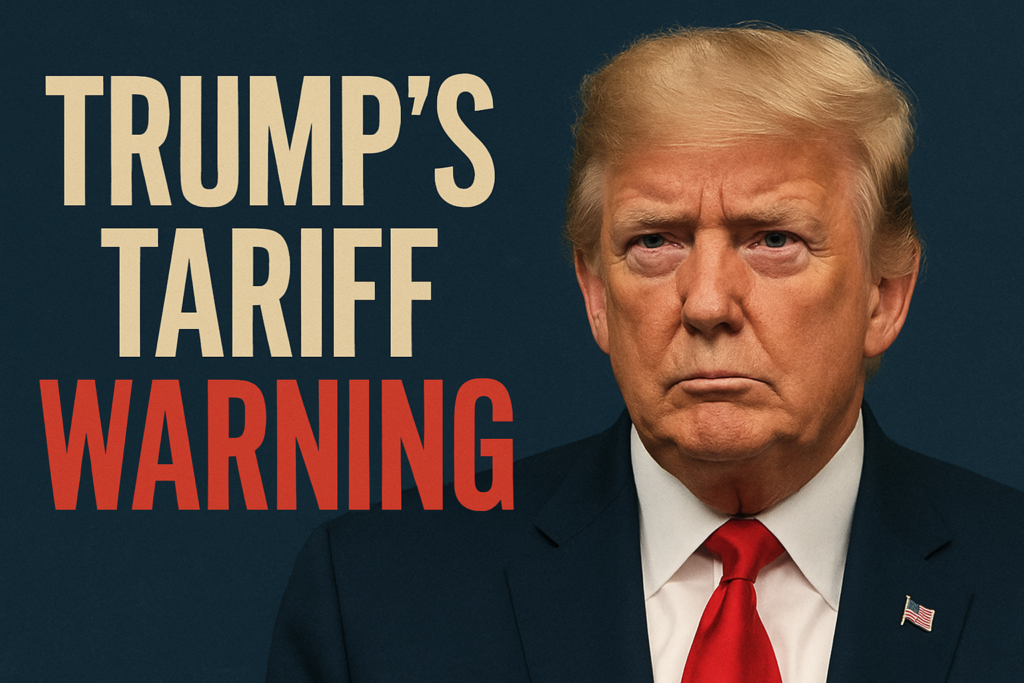
The trade conversation in the United States has taken a sharp and unmistakable turn. During a recent public event with American farmers, President Donald Trump issued a direct warning: imports of cheap rice entering the U.S. market may soon face new tariffs. The tone wasn’t vague, cautious, or diplomatic — it was blunt and assertive.
Trump made it clear that foreign rice being sold at lower prices is hurting U.S. farmers, and he’s prepared to respond swiftly with tariff action if that continues.
Why Rice? Why Now?
Most trade tensions over the past decade have focused on high-value sectors such as electronics, steel, technology, and intellectual property. Rice rarely made headlines — until now.
Here’s why it suddenly matters:
- Rice is a staple with cultural and economic weight.
- U.S. farmers in states like Arkansas, Louisiana, and Mississippi have repeatedly voiced concerns about being undercut by cheaper imports.
- The administration is positioning agricultural protectionism as a core economic stance, tied directly to supporting domestic farming communities.
Trump treated the issue as more than economics — he framed it as fairness. His message: American farmers shouldn’t be losing market share inside their own country.
The Tariff Threat Was Not Accidental
This was not a casual remark. Politically, it lands at a perfect moment.
The current administration is leaning heavily into a protectionist economic philosophy that views foreign imports as competition that must be controlled when it disrupts domestic pricing.
Tariffs are being positioned as:
- A regulatory weapon
- A negotiation tool
- A mechanism to shield U.S. producers
- A way to shift global supply chains
To amplify the message, Trump also announced a $12 billion financial support package for U.S. farmers, funded by existing tariff revenues.
In other words:
If foreign suppliers push prices down, the U.S. will push back harder.
The Impact Inside the United States
The ripple effect within the U.S. agricultural sector could be significant.
For Farmers
The reaction has been largely positive. Many have felt sidelined by cheaper farm imports, and this announcement signals a structural shift in their favor. If tariffs take effect, domestic rice could regain pricing power — potentially raising selling prices and stabilizing profit margins.
For Consumers
Tariffs almost always lead to higher shelf pricing. Cheap imported rice disappearing — or becoming more expensive — means American shoppers may eventually pay more. The question is whether voters will accept paying extra as the price for supporting local agriculture.
For Retailers and Food Manufacturers
Companies that rely on consistent, low-cost rice supply chains could be forced to adjust sourcing strategies. That may mean:
- New suppliers
- Higher operating costs
- Reformulated pricing models
Some brands may use the situation as a marketing play: “American-grown and tariff-proof.”
A Message to Global Exporters
Trump’s broader point is unmistakable: the era of the U.S. being a passive, open market is over.
His position signals a few things:
- Dumping accusations will trigger consequences.
- Low-price competition will not be tolerated.
- Agriculture is now a frontline trade priority — not an afterthought.
Global exporters — regardless of region — must now factor in the risk of sudden tariff enforcement, especially when dealing with essential or price-sensitive commodities.
This Isn’t Just About Rice — It’s About Trade Strategy
The U.S. is using tariffs as leverage to reshape how international trade works. The rice issue fits into a much bigger trend:
- Reducing reliance on foreign agricultural imports
- Strengthening domestic food security
- Protecting rural economic bases
- Increasing negotiating power in trade relationships
This approach isn’t polite diplomacy — it’s transactional trade politics.
What Comes Next?
Trump’s tone suggests he expects compliance, not negotiation. The message to exporters was simple:
Lower prices won’t force American farmers out — tariffs will block you first.
If tariff measures are enacted — which seems increasingly likely — it may trigger:
- New trade complaints
- Diplomatic responses
- Realignment of global agricultural supply routes
And eventually, broader policy shifts in other commodities.
Once tariffs begin in one essential food category, others — sugar, wheat, soy, edible oils — could follow.
The Bigger Picture
This announcement isn’t about a single crop. It’s about a shift in philosophy:
- From global competition → to domestic protection
- From open markets → to enforced fairness
- From relying on imports → to prioritizing national production
Rice simply became the latest symbol.
Final Take
Trump’s warning marks a clear turning point. The U.S. is signaling that it will no longer tolerate cheap imports that threaten its agricultural sector. Tariffs are now the default defense mechanism — and the administration isn’t shy about using them.
Whether the policy improves farmer livelihoods or triggers international pushback remains to be seen — but one thing is certain:
The global trade map is shifting, and the United States is redrawing its borders with tariffs, not treaties.